Nurturing Tiny Hearts and Big Feelings (0-5 Years)
Okay, this is a tricky subject to write about. Since the birth of my son, I’ve always been concerned about this subject. So I’ve been asking around – talking to psychologists, therapists and pediatricians about emotional development (not to be confused with behavior & discipline).
Let’s dive right into it!
If you’ve ever found yourself caught in the eye of a tantrum hurricane, attempting to decipher the cryptic babbling of pure joy, or simply marveling at your tiny one’s capacity for empathy, then you know this isn’t just a topic; it’s a daily adventure. Specifically, we’re diving deep into the Early Years (0-5), where emotions are as big and boundless as their imaginations, and learning to navigate them is a critical life skill.
I remember distinctly thinking, when my son was in his infant years, that I had somehow accidentally subscribed to an emotional rollercoaster theme park. One minute, he was the sweetest, most charming creature on the planet, all giggles and cuddles. The next? A tiny, furious dictator demanding to ‘turn off the sun’ (true story, and yes, it led to a meltdown). My initial reaction often involved a healthy dose of parental bewilderment, followed by a frantic search for “how to fix this.” But what I’ve learned, often through trial-and-error (and a lot of spilled juice), is that fostering healthy emotional development isn’t about “fixing” anything. It’s about understanding, validating, and gently guiding these immense feelings.
This isn’t a lecture on perfect parenting, nor is it a dry academic paper. Instead, this article is your warm, witty, and surprisingly practical companion to unlocking the mysteries of your child’s inner world. We’ll explore why those big feelings are so, well, big, and arm you with strategies rooted in expert insights, focusing on the transformative power of positive reinforcement. So, let’s take a deep breath, perhaps grab a comforting beverage, and embark on this journey to nurture resilient, emotionally intelligent little people.

The Emotional Landscape of Little Humans: Decoding the Inner World (0-5 Years)
Imagine navigating a brand-new planet, filled with intense experiences, but without a map or a shared language. That’s a bit like being a child between 0-5 years old when it comes to emotions. Their world is vibrant, exciting, and often overwhelming, and their emotional responses are as raw and unfiltered as they come. Understanding why they do what they do is the first crucial step to effective guidance.
What is Emotional Development? At its core, emotional development is the process by which children learn to identify, understand, express, and manage their emotions. It’s about learning to cope with big feelings like anger and sadness, understand the feelings of others, and develop empathy and resilience. It’s a journey from purely reactive (e.g., crying when hungry) to more nuanced and intentional emotional responses (e.g., using words to express frustration).
The “Why” Behind Big Feelings: Why does a broken cookie trigger a catastrophe? Why does a change in routine unleash the kraken? It’s not manipulation; it’s biology and development!
- Developing Brains: The prefrontal cortex, the part of the brain responsible for impulse control, planning, and emotional regulation, is still very much under construction in young children. Think of it as a tiny, enthusiastic, but very inefficient air traffic controller trying to manage a bustling airport of feelings. They feel intensely, but lack the neural pathways to calmly process or manage those feelings.
- Limited Language: Before they have the words to say, “I’m frustrated because I can’t put this block on top,” they express it the only way they know how: crying, screaming, hitting, or throwing. Their actions are their communication.
- Egocentrism (It’s Not Selfishness!): Young children genuinely believe the world revolves around them. This isn’t selfishness; it’s a developmental stage where they struggle to understand perspectives other than their own. If they want something, it feels like the most important thing in the world, and any obstacle is a major personal affront.
- Novelty & Overwhelm: Everything is new! A trip to the grocery store can be a sensory overload. A loud noise can be genuinely frightening. They haven’t yet built the coping mechanisms or experience to navigate the constant stream of new information and sensations.
The Centers for Disease Control and Prevention (CDC) provides clear developmental milestones, including those related to social and emotional growth. They emphasize that healthy emotional development supports positive relationships, resilience, and overall well-being. Understanding these typical stages helps parents differentiate between normal developmental behavior and something that might need extra attention. You can explore their comprehensive guides on child development by age here: CDC – Child Development Milestones.
Recognizing that these big, often inconvenient, emotions are a normal part of your child’s growth can be incredibly liberating. It shifts your perspective from “my child is misbehaving” to “my child is struggling, and needs my help to learn.” And that, my friend, is where our incredible role as emotional guides truly begins.

Your Role as an Emotional Guide: Building the Foundation of Resilience
You are your child’s first, most important, and most influential emotional coach. No pressure, right? But seriously, your responses to their big feelings lay the very groundwork for their emotional intelligence. It’s not about being perfect, but about being present, responsive, and consistently nurturing. Think of yourself as their emotional GPS, helping them navigate new terrain.
1. Cultivating Secure Attachment & Responsiveness: The bedrock of healthy emotional development is a secure attachment. This means your child feels safe, loved, and knows that you are a reliable source of comfort and support. When they cry, you respond. When they’re happy, you celebrate with them. This consistent responsiveness teaches them that their emotions matter and that they can rely on you.
- Be a Safe Haven: When they’re upset, offer comfort. A hug, a gentle word, a reassuring presence. You’re not “giving in” to a tantrum; you’re acknowledging their distress and helping them feel safe.
- Tune In & Connect: Pay attention to their non-verbal cues. Sometimes, a child isn’t asking for a solution; they’re asking to be understood. Acknowledge their feelings even before they can use words.
- Predictability & Routine: A consistent daily routine, though not rigid, provides a sense of security and predictability, which can reduce anxiety and emotional outbursts.
The concept of secure attachment is widely studied in developmental psychology and championed by organizations like Zero to Three, which focuses on the healthy development of infants and toddlers. They emphasize that responsive caregiving builds a strong foundation for a child’s emotional regulation, social skills, and cognitive growth. You can learn more about responsive relationships here: Zero to Three – Responsive Relationships.
2. The Power of Co-Regulation (Lending Them Your Calm): Young children can’t regulate their own emotions. That’s where you come in! Co-regulation is the process of an adult helping a child calm down and manage their strong feelings. When your child is spiraling, your calm, steady presence is the most powerful tool.
- Stay Calm (or at Least Pretend To!): Your child mirrors your emotional state. If you escalate, they will too. Take a deep breath. Count to ten. Step away for a moment if you need to, then return with a calm demeanor.
- Validate, Don’t Dismiss: Instead of “Don’t be sad,” try “I see you’re feeling really sad about your toy breaking.” Validation doesn’t mean agreeing with the behavior, but acknowledging the feeling.
- Offer Physical Comfort: A hug, a gentle hand on their back, or sitting close can provide immense comfort and help them regulate their nervous system.
Your presence and consistent, warm responses create a secure base from which your child can explore their emotional world, knowing you’ll always be there to guide them back to calm.

Decoding Emotional Expressions: What Are They Really Saying?
Sometimes, a child’s emotional expressions feel like a foreign language. A scream might mean anger, frustration, or even overwhelming excitement. Learning to interpret these signals, especially when language is limited, is a key parenting skill. It’s about looking beyond the surface behavior to understand the underlying need or feeling.
1. The Dreaded Tantrum (Oh, the Drama!):
- What it looks like: Crying, screaming, stomping, throwing, falling to the floor, refusing to move.
- What they’re really saying: “I’m overwhelmed! I can’t have what I want! I don’t know how to express this frustration! My brain is short-circuiting!”
- Your Witty Interpretation: “Ah, yes, the ‘my-world-is-ending-because-my-banana-broke’ performance. A classic.”
- Initial Response:
- Stay Calm: Take a breath. Your calm is contagious.
- Validate the Feeling: “You are so angry right now that you can’t have that toy.” (No judgment, just naming it.)
- Set the Boundary (Briefly): “I understand you’re mad, but we don’t hit.”
- Offer Co-Regulation: Get down to their level. Offer a hug. If they refuse, sit nearby calmly. Wait it out. Don’t engage in a power struggle or try to reason in the heat of the moment.
- Redirect (if possible): Sometimes, a sudden, silly distraction can work wonders, especially with younger toddlers.
2. Whining & Clinginess (The Emotional Velcro):
- What it looks like: Persistent, high-pitched vocalizations, constantly asking for attention, following you everywhere.
- What they’re really saying: “I need connection! I feel insecure! I’m tired/hungry/overstimulated! I don’t know how to get your attention positively!”
- Your Witty Interpretation: “My tiny shadow, determined to narrate my every move.”
- Initial Response:
- Proactive Attention: Try to give them positive, focused attention before the whining starts. Fill their “attention bucket” regularly.
- Acknowledge the Need: “You really want my attention right now, don’t you?”
- Set a Time/Boundary: “I can give you 5 minutes of focused play after I finish this email. You can play with your blocks until then.” (Then follow through).
- Teach a Better Way: “When you want my attention, you can say, ‘Mommy, can you play?'” And then praise them lavishly when they use it.
3. Aggression (Hitting, Biting, Pushing):
- What it looks like: Physical outbursts towards others or objects.
- What they’re really saying: “I’m overwhelmed with a strong feeling (anger, frustration, jealousy)! I don’t have the words or skills to express this! I’m testing boundaries!”
- Your Witty Interpretation: “Ah, the tiny Hulk transformation. We need to work on emotional smashing, not physical smashing.”
- Initial Response:
- Immediate Intervention & Safety: Stop the behavior immediately and ensure everyone is safe. “No hitting! Hitting hurts.”
- Time-In (See Section 4 below): Remove them from the situation calmly to a designated “calm-down” space.
- Name the Feeling: Once calm, “You were angry when your friend took your toy.”
- Teach Alternatives: “Next time, you can use your words: ‘My turn!’ or ‘Please give it back.'” Practice these words.
Understanding these common behaviors as communication, rather than defiance, fundamentally changes how we respond. It allows us to move from reaction to teaching, fostering emotional intelligence even in the most challenging moments.

The Power of Positive Reinforcement for Emotional Development
We’ve talked about positive reinforcement as a cornerstone of behavior guidance, but let’s hone in on how this powerful tool specifically supercharges your child’s emotional development. This isn’t just about getting them to do what you want; it’s about helping them feel good about managing their emotions, building their confidence, and fostering intrinsic motivation for healthy emotional expression.
Positive reinforcement is essentially shining a spotlight on the behaviors you want to see more of. When a child makes an effort to calm down, uses their words, or shows empathy, actively acknowledging and celebrating that effort makes it more likely they’ll repeat it. It’s how we build their emotional vocabulary and toolkit.
Pediatricians and child psychologists consistently highlight that positive reinforcement is more effective than punishment for long-term behavioral change and emotional well-being. According to the American Psychological Association (APA), positive reinforcement strengthens desirable behaviors by adding something desirable immediately after the behavior occurs, which encourages its repetition. This builds self-esteem and a sense of competence, vital for healthy emotional development. You can delve deeper into the science of reinforcement here: APA – Positive Reinforcement.
Here’s how to apply this powerhouse strategy for emotional growth:
- Praise the Effort to Self-Regulate:
- “Wow, I saw you take a deep breath when you felt frustrated! That’s using your calm-down tools!”
- “You were really mad, but you used your words instead of yelling. That’s a great job telling me how you feel!”
- “It looks like you’re trying to calm your body. I’m here if you need a hug.”
- Why it works: You’re validating their big feeling while specifically praising the emerging skill of managing it. This teaches them that even strong emotions can be handled.
- Acknowledge and Reward Empathy & Kindness:
- “You saw your friend was sad and you offered them a hug. That was such a kind thing to do! You made them feel better.”
- “I noticed you shared your toy with your sister without being asked. That was very thoughtful!”
- Why it works: You’re highlighting prosocial behaviors, teaching them the positive impact of their actions on others, and fostering their budding empathy.
- Celebrate Emotional Expression (When Appropriate):
- “I love how you told me you were sad with your words. It helps me understand what you need.”
- “You look so excited about visiting the park! Your whole face is smiling!”
- Why it works: You’re teaching them that all emotions are okay to feel and express (in appropriate ways), and that expressing them verbally is a powerful tool for connection and getting needs met.
- Game-ify Emotional Learning (with Positive Reinforcement):
- Create a simple “Feelings Chart” where they can point to how they feel. Praise them for identifying emotions: “You pointed to ‘angry’ on our chart. Good job showing me how you feel!”
- Use a “Calm Down Box” with tools like a sensory bottle or a soft blanket. When they use it, praise the effort: “You went to your calm-down box when you felt overwhelmed. Great choice!”
- Why it works: This makes emotional learning an active, engaging process, and the praise reinforces their use of the tools.
- Focus on the “Do” Instead of the “Don’t”:
- Instead of “Don’t yell,” try “Use your quiet voice.” When they use their quiet voice, “Thank you for using your quiet voice!”
- Instead of “Don’t hit,” try “Use gentle hands.” When they do, “Gentle hands! I love your gentle hands.”
- Why it works: You’re providing a clear, positive instruction for the desired behavior, which then becomes a target for positive reinforcement.
Remember, positive reinforcement is not bribery. Bribery is giving a reward before a behavior to get them to do something they don’t want to do (“If you don’t cry, I’ll give you candy”). Positive reinforcement is giving genuine praise or a small, earned reward after a desired behavior to encourage its repetition (“You put away all your toys! That makes me so happy, let’s read an extra book tonight!”). This subtle but significant difference is key to building intrinsic motivation and healthy emotional habits.
Practical Tools for Emotional Regulation: Your Step-by-Step Toolkit
Beyond understanding and positive reinforcement, equipping your child with concrete tools for emotional regulation is vital. These are simple, playful strategies you can teach them to use when big feelings bubble up. Think of these as their personal superhero powers for managing emotions!
Tool 1: The Feelings Chart (Visualizing Emotions)
Young children learn best visually. A feelings chart helps them connect an abstract feeling to a concrete image and name.
- Step 1: Create Your Chart: Print or draw simple faces showing different emotions: happy, sad, angry, surprised, scared, silly. Use clear, simple labels. You can find many free printable “feelings wheels” or charts online.
- Step 2: Introduce & Practice: Point to the faces and name the emotions. “This is happy! Can you make a happy face?” Practice making faces in a mirror.
- Step 3: Name Feelings in Real-Time: When your child is experiencing an emotion (happy, frustrated, sad), point to the chart. “You look so excited! Is this how you’re feeling?” Or, during a meltdown, “I see you are feeling very angry right now.”
- Step 4: Encourage Pointing: Ask, “How are you feeling? Can you show me on our feelings chart?” This gives them a way to communicate without words, especially when overwhelmed.
- Why it works: Builds emotional vocabulary, validates feelings, and helps them learn to identify what’s going on inside.
Tool 2: Breathing Buddies & Calm-Down Techniques
When big emotions take over, a simple breathing exercise can be incredibly powerful for self-regulation.
- Step 1: Introduce “Belly Breathing”: Lie down with your child. Place a small, soft stuffed animal on their belly. “Let’s help our breathing buddy go on a ride!” Encourage them to watch the buddy rise and fall with their breath.
- Step 2: Practice Regularly (When Calm!): Don’t wait for a meltdown. Practice when they’re relaxed, making it a fun game. “Let’s do our dragon breath!” (Breathe in slowly, then exhale with a big “ROAR!”).
- Step 3: Use When Needed: When emotions escalate, gently guide them: “Let’s try our breathing buddy. Can we take three big breaths together?” Model it yourself.
- Step 4: Other Calm-Down Tools: A “sensory bottle” (water bottle with glitter, beads, and glue that swirls when shaken, then settles) can be mesmerizing and calming. Squeezing a stress ball, hugging a favorite stuffed animal, or listening to quiet music can also help.
- Why it works: Teaches them a physiological way to calm their nervous system, giving them a concrete tool to manage overwhelm.
Tool 3: Problem-Solving Conversations (“What Can We Do?”)
As children grow, guide them to move from reaction to resolution.
- Step 1: Calm First: Only engage in problem-solving once everyone is calm.
- Step 2: Review the Situation: “What happened? You wanted the red truck, and your friend had it.”
- Step 3: Brainstorm Solutions: “How could you get the red truck next time without grabbing it? What are some ideas?” Encourage their ideas, even if silly initially. “Could you ask? Could you trade? Could you wait?”
- Step 4: Choose & Practice: “Which idea do you want to try next time?” Role-play the situation.
- Why it works: Fosters critical thinking, negotiation skills, and teaches them that they have agency in resolving conflicts.
Tool 4: Empathy Building Through Play & Stories
Helping children understand others’ feelings is crucial for social-emotional growth.
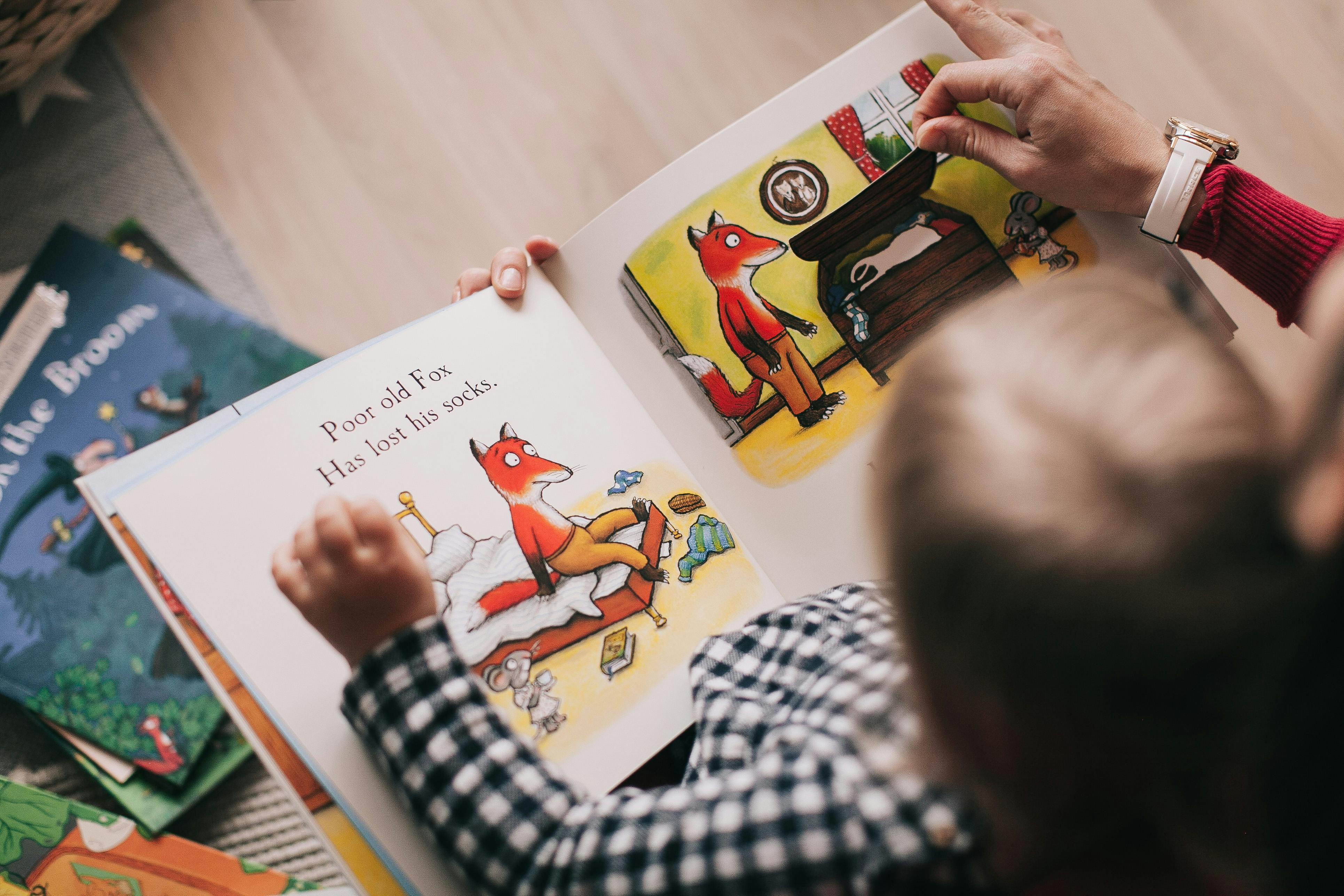
- Step 1: Narrate Emotions in Books: When reading, “Look! The bear is sad. How do you think he feels?” “Why is the character angry?”
- Step 2: Pretend Play Role-Playing: During imaginative play, “Oh no, the baby doll is crying! What do you think she needs? Maybe she’s hungry or sad.” Encourage them to take on different roles and consider the feelings of their toys/characters.
- Step 3: Real-Life Opportunities: “Your friend looks sad. I wonder why? What could we do to make them feel better?” Point out emotions in real-world interactions.
- Why it works: Develops perspective-taking, kindness, and compassion, leading to healthier relationships.
The Yale Center for Emotional Intelligence offers significant research and resources on how to cultivate emotional intelligence in children, including practical strategies for families and educators: RULER Approach to Social Emotional Learning. These tools provide actionable steps for parents to build their child’s emotional toolkit.
These tools are not one-size-fits-all, and what works one day might not work the next. The key is consistent, patient practice, always delivered with warmth and understanding. You’re giving them invaluable skills for life!

Common Emotional Challenges & When to Seek Help
Even with the best intentions and strategies, emotional development isn’t always a smooth upward curve. There will be bumps, plateaus, and sometimes, what feels like a backward slide. This is normal. However, it’s also important for parents to know when a particular emotional challenge might warrant a conversation with a professional.
Common Challenges (and Why They’re Often Normal):
- Separation Anxiety:
- What it looks like: Crying, clinging, refusing to be left with caregivers, especially around 8-18 months and again around 2-3 years.
- Why it’s normal: It indicates a healthy attachment! They know you’re their primary caregiver and they miss you. It also means they’re developing object permanence (they know you still exist even when you’re gone).
- What to do: Short, consistent goodbyes. Reassure them you’ll return. Practice short separations. Validate their feelings: “It’s hard when mommy leaves, isn’t it? I’ll be back after nap time.”
- Sibling Rivalry:
- What it looks like: Jealousy, fighting over toys, seeking attention, occasional physical aggression.
- Why it’s normal: Children are learning to share resources (toys, parental attention) and navigate complex social dynamics within their closest peer group.
- What to do: Avoid comparing siblings. Give one-on-one time to each child. Teach sharing and turn-taking. Intervene consistently when there’s aggression. Focus on problem-solving together.
- Intense Shyness or Social Inhibition:
- What it looks like: Reluctance to engage with new people or in new situations, hiding behind parents, avoiding eye contact.
- Why it’s normal: Temperament plays a huge role. Some children are naturally more introverted or cautious.
- What to do: Don’t force social interaction. Provide gentle encouragement and opportunities to observe before participating. Praise brave efforts. “I know it’s hard to meet new people, but I saw you give a little wave! That was very brave!” Model social interaction yourself.
- Persistent Tantrums or Aggression:
- What it looks like: Tantrums that are extremely long, destructive, or violent; aggression that doesn’t decrease with consistent intervention, or is directed at self or others in a severe way.
- Why it might be more: Could indicate unmet needs, sensory processing differences, underlying anxiety, or a need for more targeted behavioral support.
When to Seek Professional Guidance:
While all the above are normal, there are times when it’s wise to consult with your pediatrician or a child development specialist. Trust your gut!
- Extreme or Prolonged Intensity: If tantrums are lasting excessively long (e.g., 20-30 minutes for a 3-year-old regularly), are constant throughout the day, or involve severe aggression towards self or others that doesn’t respond to consistent, gentle strategies.
- Regression: A sudden, significant step backward in emotional regulation or social skills.
- Lack of Emotional Expression: A child who rarely shows joy, sadness, or anger, or seems unusually flat in their affect.
- Persistent Sadness or Anxiety: If your child seems persistently sad, withdrawn, or highly anxious over a prolonged period (e.g., weeks or months).
- Difficulty Forming Relationships: Struggles to connect with peers or caregivers, or avoids social interaction consistently.
- Significant Developmental Delays: If emotional expressions seem far outside the typical range for their age.
Your pediatrician is your first point of contact for any concerns about your child’s emotional or behavioral development. They can offer initial advice, rule out any medical causes, and refer you to specialists like child psychologists, therapists, or occupational therapists if needed. Organizations like the American Academy of Child and Adolescent Psychiatry (AACAP) offer valuable resources and guidance on when to seek professional help for children’s emotional and behavioral challenges: AACAP – When to Seek Help for Your Child.
Remember, seeking help is a sign of strength, not weakness. You are advocating for your child’s well-being, and getting professional support can make a world of difference for both of you.

My Final Take: The Joyful, Complex Journey of Emotional Growth
As a parent, witnessing your child’s emotional development in the Early Years (0-5) is nothing short of a marvel. It’s a journey filled with incredible highs, challenging lows, and countless moments that remind you of the sheer power and purity of human feeling. We’ve explored the “why” behind their big emotions, armed ourselves with the foundational power of positive reinforcement, and filled our toolkit with practical strategies for guiding them through the inevitable emotional storms.
My own experience has taught me that there’s no single “right” way to parent, but a consistent, loving, and responsive approach, rooted in understanding and empathy, is the most powerful. There will be days you feel like an emotional wizard, effortlessly navigating a meltdown with a calm word and a well-timed hug. And there will be days you feel like you’ve been run over by a tiny, emotionally charged truck. Both are normal. Both are part of the journey.
The goal isn’t to create perfectly behaved robots, but to nurture emotionally intelligent, resilient, and kind humans. By validating their feelings, teaching them coping skills, and consistently showing them that their emotions are safe with you, you are giving them the most incredible gift: the ability to understand and navigate their inner world.
So, take a deep breath, celebrate every tiny step forward, and keep pouring that love and patience into those precious little hearts. You’re doing an amazing job, building the emotional foundations that will serve them for a lifetime. And if you have any emotional development anecdotes or tips that saved your sanity, please share them in the comments below – we’re all in this wonderfully wild and emotional ride together!
Related Articles:
- Growth & Milestones: Tracking physical, cognitive, social, and emotional development; celebrating firsts.
- Feeding & Nutrition: Breastfeeding, formula feeding, introducing solids, picky eating strategies, healthy snacks.
- Sleep Solutions: Napping guides, bedtime routines, common sleep challenges (sleep regressions, waking up too early).
- Play & Learning: Age-appropriate activities, sensory play, DIY toys, fostering creativity and curiosity.
- Behavior & Discipline: Managing tantrums, setting gentle boundaries, positive reinforcement, sibling dynamics in early years.
- Early Years Resource Guide: Find trusted resources, developmental trackers, and valuable parenting books to navigate these crucial years.