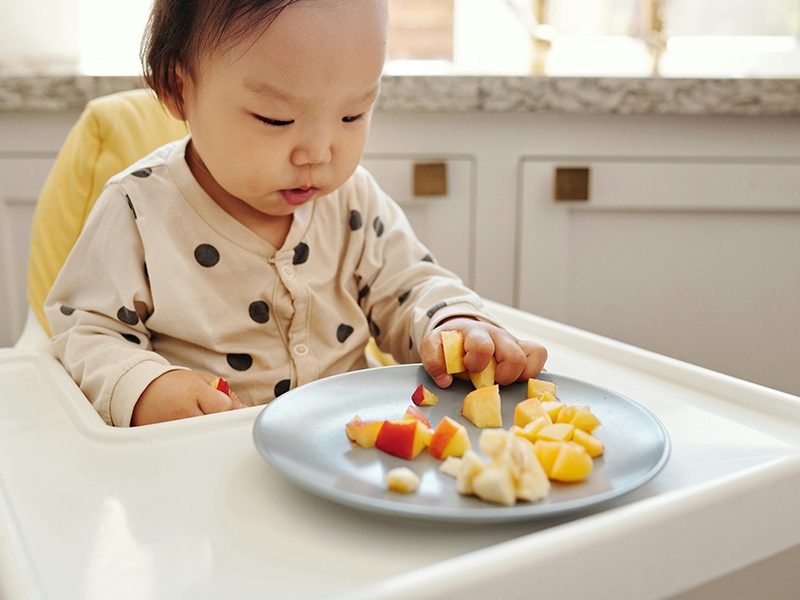
You Are What You Eat
We’ve all heard it as young parents – everyone’s most fundamental, and often most debatable topic – Feeding & Nutrition. As Asians, food is in our culture. But how do we express our love? We don’t say “I love you,” we say, “你吃了吗?”, “밥 먹었어요?”, “食べましたか?” or as we say in English – “Have you eaten?”.
So when it involves a tiny human, EVERYONE seems to have an opinion – especially our relatives 😓. Bear in mind, the little one is constantly growing; with ever-evolving taste buds, curious hands, and an uncanny ability to turn a beautifully plated meal into abstract art, and you’ve got a whole new level of mealtime marvels (and messes!).
This article, “Feeding & Nutrition” nestled perfectly under my “Early Years (0-5)” umbrella, is your warm, guiding hand through every burp, spoonful, and picky eater protest. I’m here to demystify the science, share practical tips, and remind you that you’re doing an amazing job, even when more food ends up on the floor than in their mouths.
Think of it as your judgment-free zone for all things edible, from the first tentative sips to becoming a (somewhat) civilized mealtime participant.
- The Foundation: Why Nutrition Matters So Much in the Early Years
- (0-6 Months) The First Golden Months: Breastfeeding vs. Formula Feeding
- (6 Months+ ) The Exciting (and Messy!) World of Solids: Introducing First Foods
- (1-3 Years) The Toddler Food Rollercoaster: Picky Eating & Power Struggles
- (3-5 Years) The Preschooler Plate: Fostering Lifelong Healthy Habits
- Navigating Allergies & Sensitivities: Staying Safe and Informed
- The Hydration Station: Water, Milk, and Limiting Sugary Drinks
- Building a Positive Relationship with Food: Beyond Just Nutrients
- My Final Bite: Trust Your Instincts, Seek Support
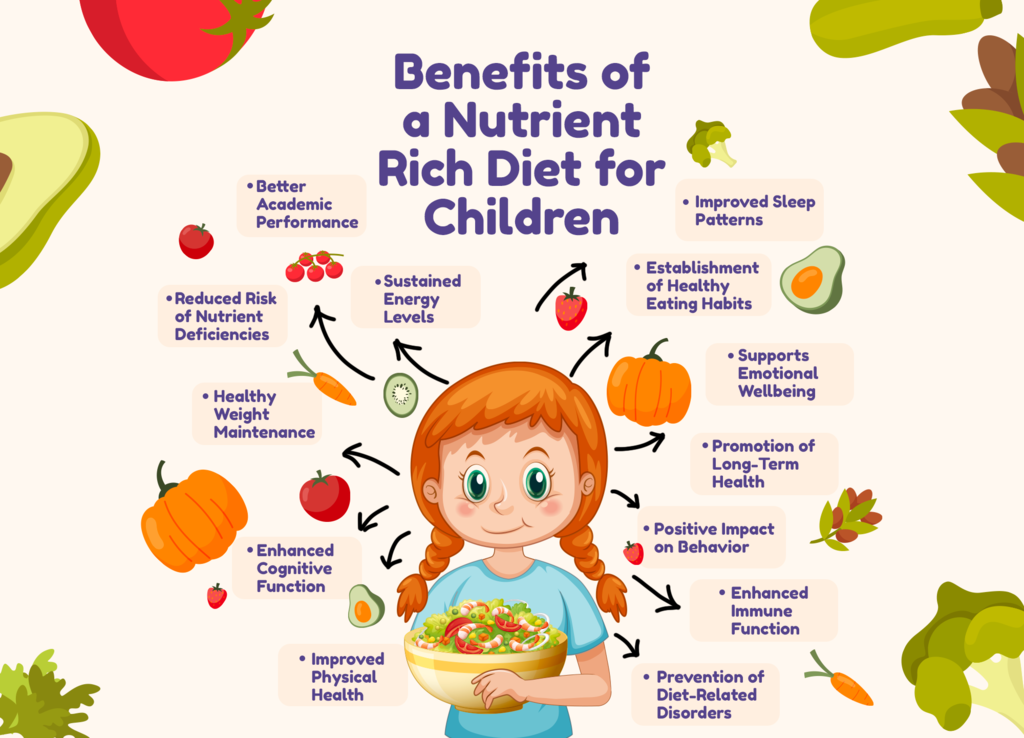
The Foundation: Why Nutrition Matters So Much in the Early Years
Let’s start with the “why.” Those first five years are nothing short of miraculous. Your little one is building their entire physical and cognitive foundation. Their brains are growing at an astonishing rate, bones are lengthening, muscles are strengthening, and their immune system is constantly learning. And what fuels all this incredible development?
You guessed it: nutrition.
The food (and drink!) your child consumes in these early years provides the essential building blocks for:
- Brain Development: Critical fats (like DHA), proteins, and carbohydrates are crucial for wiring neurons and supporting rapid brain growth, impacting everything from language to problem-solving.
- Physical Growth: Proteins for muscles, calcium and Vitamin D for strong bones, and a steady supply of energy for all that running, jumping, and exploring.
- Immune System Support: Vitamins, minerals, and antioxidants help build a robust defense system, protecting them from everyday bugs.
- Energy Levels: Consistent, healthy fuel ensures they have the stamina for play, learning, and those inevitable bursts of toddler energy.
- Healthy Habits for Life: The eating experiences you create now lay the groundwork for their relationship with food and healthy habits in the long term.
Understanding this “why” can sometimes make the mealtime battles feel even more high-stakes, but remember, the goal isn’t perfection. It’s about providing a varied, nutritious foundation and fostering a positive relationship with food.

The First Golden Months: Breastfeeding vs. Formula Feeding (0-6 Months)
The journey into feeding often begins with a fundamental choice: breastfeeding or formula feeding. This decision is deeply personal, influenced by a myriad of factors, and there’s no single “right” answer. Both are incredible ways to nourish your newborn, and what truly matters is that your baby is fed, loved, and thriving.
An early advice:
Breastfeeding is a commitment. Formula feeding on the other hand is always a fallback. While the amount of time, money, and (especially) effort spent on breastfeeding is very substantial – giving the best for your child, it may be a very, very tough thing to maintain. (my wife gave up after 2 months after I warned her not to be too ambitious 😅)
The Power of Breastfeeding
If you’re able and choose to breastfeed, you’re offering your baby a truly remarkable package. Breast milk is often referred to as “liquid gold” for good reason! It’s a dynamic, living substance that perfectly adapts to your baby’s changing needs.
- Tailored Nutrition: It contains the ideal balance of fats, carbohydrates, proteins, vitamins, and minerals. What’s even cooler? Its composition changes throughout the day, and even within a single feeding, to meet your baby’s specific demands.
- Immunity Boost: Packed with antibodies, enzymes, and white blood cells, breast milk provides incredible protection against infections, allergies, and certain chronic diseases. Think of it as their very first, personalized immune system booster shot!
- Easy Digestion: It’s generally easier for a baby’s immature digestive system to break down compared to formula, often leading to less gas and constipation.
- Bonding Benefits: For many, the physical closeness and skin-to-skin contact during breastfeeding foster a deep bond between parent and child.
- Maternal Health Benefits: Breastfeeding can also offer benefits for the birthing parent, including faster postpartum recovery, reduced risk of certain cancers, and natural family planning support.
Credible Sources for Breastfeeding Information:
- World Health Organization (WHO) – Breastfeeding: The WHO offers comprehensive global guidelines and information on the benefits and practices of breastfeeding.
- American Academy of Pediatrics (AAP) – Breastfeeding & Human Milk: The AAP provides extensive, evidence-based recommendations for pediatric care, including detailed guidance on breastfeeding.
Formula Feeding: A Safe and Nutritious Alternative
For many parents, formula feeding is the best or only option, and it’s a perfectly valid and healthy choice! Modern infant formulas are scientifically developed to provide complete nutrition for babies and are regulated to meet stringent safety and nutritional standards.
- Complete Nutrition: Infant formulas are designed to mimic the nutritional composition of breast milk as closely as possible, containing all the necessary vitamins, minerals, proteins, and fats for healthy growth and development.
- Flexibility and Shared Responsibility: Formula allows other caregivers to feed the baby, offering the birthing parent a much-needed break and enabling partners to share feeding responsibilities more easily. This can be a huge benefit for mental health and bonding.
- Accessibility: For various reasons – medical conditions, medication interactions, personal choice, or insufficient milk supply – formula provides a safe and reliable feeding solution when breastfeeding isn’t possible or desired.
- Predictable Intake: It can be easier to track exactly how much milk your baby is consuming, which can be reassuring for some parents.
Note: These days, by law companies are NOT allowed to give out free samples of formulas for infants under the age of 1 anymore (for safety reasons), so don’t try your luck and just buy them.
Credible Sources for Formula Feeding Information:
- American Academy of Pediatrics (AAP) – Choosing an Infant Formula: This resource from the AAP provides guidance on selecting the right formula and answers common questions.
- Centers for Disease Control and Prevention (CDC) – Infant Formula Preparation and Storage: Crucial information for safe preparation and handling of formula.
Ultimately, whether you breastfeed, formula feed, or do a combination of both, the most important thing is that your baby is well-fed, grows consistently, and feels loved. Trust your instincts, consult with your pediatrician, and make the choice that works best for your family. No judgment here – just support for your feeding journey!

The Exciting (and Messy!) World of Solids: Introducing First Foods (Around 6 Months)
Get ready for a whole new level of kitchen chaos… I mean, culinary exploration! The introduction of solid foods, typically around 6 months of age, marks a significant milestone in your baby’s feeding journey. This isn’t just about nutrition; it’s about developing oral motor skills, exploring textures, and fostering a healthy relationship with food.
When to Start: Signs of Readiness
It’s tempting to jump right in, but readiness is key. Look for these signs, usually appearing around 6 months:
- Good Head Control: Your baby can hold their head steady and upright.
- Sitting Up with Support: They can sit in a high chair with good trunk stability.
- Loss of Tongue-Thrust Reflex: They no longer automatically push food out of their mouth with their tongue.
- Showing Interest: They watch you eat, lean forward, and open their mouth when food approaches.
- Swallowing Ability: They can swallow food rather than gagging or spitting it out.
Important Note: Starting solids before 4 months is generally not recommended due to digestive system immaturity and choking risks. Always discuss with your pediatrician before starting solids.
First Food Approaches: Purees vs. Baby-Led Weaning (BLW)
The internet (and your well-meaning aunties) will present you with two main approaches to starting solids. Both are valid, and many parents even combine elements of both!
- Traditional Purees:
- What it is: Starting with smooth, single-ingredient purees (like rice cereal, sweet potato, pea, banana).
- Pros: Easy to manage, good for babies still developing oral motor skills, easy to track individual food reactions.
- Cons: Can delay development of chewing skills, doesn’t always encourage self-feeding.
- My take: I started with purees for my son, and it felt like a gentle introduction. The sheer joy of watching them try a new taste was priceless (even if most of it ended up on their eyebrows).
- Baby-Led Weaning (BLW):
- What it is: Skipping purees and offering appropriately-sized, soft finger foods from the start, allowing the baby to self-feed.
- Pros: Encourages self-regulation, develops chewing and fine motor skills earlier, promotes positive mealtime experiences, can integrate baby into family meals.
- Cons: Messy (oh, so messy!), requires careful attention to food size and texture to prevent choking, can be harder to track exact intake.
- My take: I embraced BLW more later on, and while the clean-up was a marathon, the independence it fostered was incredible. Watching them confidently pick up a piece of steamed broccoli and munch on it felt like a tiny victory.
Regardless of the method, remember:
- Introduce one new food every 3-5 days: This helps identify any potential allergies or sensitivities.
- No added sugar or salt: Their tiny kidneys aren’t ready for it, and they don’t need it for taste!
- Focus on variety: Offer a rainbow of fruits, vegetables, grains, and proteins.
- Iron-fortified foods are crucial: As baby’s iron stores from birth deplete around 6 months, iron-rich foods (fortified cereals, pureed meats, legumes) become very important.
- Common allergens: Once readiness is established, introduce common allergens (peanuts, eggs, dairy, soy, wheat, fish, shellfish, tree nuts) one at a time and watch for reactions. Early introduction of allergens under supervision can actually help prevent allergies. Always consult your pediatrician on this!
Read More: [Allergies & Sensitivities: A Parent’s Guide]
Credible Sources for Starting Solids:
- American Academy of Pediatrics (AAP) – Starting Solid Foods: Comprehensive guide on when and how to introduce solids.
- Mayo Clinic – Solid foods: How to get your baby started: Practical advice on first foods and readiness signs.
- Solid Starts: While not a medical organization, Solid Starts is highly regarded by many pediatricians and parents for its visual guides on how to safely prepare foods for BLW, backed by feeding therapists.

The Toddler Food Rollercoaster: Picky Eating & Power Struggles (1-3 Years)
Welcome to the wild ride that is toddler eating! If you thought infancy was interesting, prepare for the daily drama of “I liked this yesterday, but today it’s poison!” and the legendary food strike. Picky eating is incredibly common in this age group, and it’s less about your parenting skills and more about their newfound independence, slower growth rate (meaning less appetite), and natural neophobia (fear of new foods).
Understanding the Picky Eater
It’s tempting to take it personally when your meticulously prepared meal is flung across the room. But remember:
- They’re asserting control: Food is one of the few things toddlers can truly control.
- Growth slows down: Toddlers don’t grow as rapidly as infants, so they naturally need less food per pound of body weight.
- Neophobia: It’s a natural survival mechanism for toddlers to be wary of new foods. It protects them from potentially harmful substances (in a primitive sense).
- Taste buds evolve: What tastes good to them today might not tomorrow, and their sensory perceptions are still developing.
Strategies for Surviving (and Thriving Through) Picky Eating
This is where my personal battle scars come in handy! Here are some strategies that actually work (most of the time!):
- Division of Responsibility (DOR): This is the golden rule, popularized by dietitian Ellyn Satter.
- Parent’s Job: What, when, and where food is offered.
- Child’s Job: How much (and even whether) they eat.
- This removes power struggles, reduces pressure, and helps children learn to listen to their own hunger and fullness cues. It’s incredibly liberating!
- Offer Variety (and Re-Offer!): Don’t give up on a food after one rejection. It can take 10-15 (or more!) exposures for a child to accept a new food. Keep offering small portions without pressure.
- Involve Them in the Process: Let them help with grocery shopping, washing vegetables, or stirring ingredients. Kids are often more likely to eat what they’ve helped prepare.
- Make it Fun & Visually Appealing: Cut sandwiches into fun shapes, arrange veggies like a face, use colorful plates. Presentation matters, even to tiny humans!
- Eat Together: Family meals are crucial. Children learn by watching, and seeing you enjoy a variety of foods is powerful modeling.
- Limit Snacking & Sugary Drinks: Frequent grazing or filling up on juice/milk can reduce their appetite for nutritious meals. Stick to structured meal and snack times.
- Don’t Be a Short-Order Cook: Resist the urge to make a completely different meal if they reject what’s offered. Offer one or two “safe” foods alongside the main meal, but don’t cater exclusively.
- Patience & Persistence: This phase will pass. Focus on creating a positive, low-stress eating environment, and trust that their bodies will get the nutrients they need over time.
Credible Sources for Picky Eating & Toddler Nutrition:
- Ellyn Satter Institute – Division of Responsibility in Feeding: The foundational resource for understanding the DOR approach.
- HealthyChildren.org (AAP) – Picky Eaters: Practical tips from the AAP for dealing with fussy eaters.
- Dietitians of Canada – Toddler Nutrition: Evidence-based guidance for healthy eating in toddlers.

The Preschooler Plate: Fostering Lifelong Healthy Habits (3-5 Years)
As your little one enters the preschool years, they’re becoming more independent, their language skills are booming, and they’re more capable of understanding simple concepts. This is a fantastic time to really solidify those healthy eating habits that will serve them for a lifetime. The picky eating might still be lingering, but often less intensely.
Key Nutritional Needs for Preschoolers
- Balanced Diet: Continue to offer a wide variety from all food groups: fruits, vegetables, whole grains, lean proteins, and dairy/alternatives.
- Appropriate Portions: Preschoolers have small stomachs! Their portions will be much smaller than an adult’s. Focus on nutrient density over quantity.
- Healthy Fats: Essential for brain development and energy. Include sources like avocado, nuts/seeds (safely prepared), fatty fish, and olive oil.
- Iron: Crucial for energy and cognitive development. Sources include lean meats, fortified cereals, beans, and leafy greens.
- Calcium & Vitamin D: Vital for strong bones and teeth. Dairy products, fortified plant milks, and sun exposure (safely!) are key.
Beyond the Plate: Cultivating Positive Eating Environments
Nutrition isn’t just about what they eat, but how and where they eat.
- Regular Meal & Snack Times: Stick to a consistent schedule. This helps regulate hunger cues and prevents excessive grazing, ensuring they’re genuinely hungry at meal times.
- Involve Them in Food Preparation: Letting them wash veggies, stir ingredients, or set the table fosters ownership and curiosity about food.
- Be a Role Model: Eat a wide variety of healthy foods yourself. Kids are far more likely to try something if they see you enjoying it.
- Avoid Food as Reward/Punishment: Don’t use food (especially sweets) as a bribe or withhold it as punishment. This can create unhealthy associations with food and undermine internal hunger/fullness cues.
- Positive Language Around Food: Avoid labeling foods as “good” or “bad.” Focus on how foods make their bodies strong, grow, or give them energy.
- Limit Processed Foods & Sugary Drinks: These often provide empty calories and can displace more nutritious options. Offer water as the primary beverage.
- Make it Social: Continue to prioritize family meals. These are invaluable for bonding, communication, and modeling healthy eating behaviors.
Credible Sources for Preschooler Nutrition:
- ChooseMyPlate.gov (USDA): Offers practical, visual guidance on building healthy plates for different age groups, including preschoolers.
- American Heart Association – Healthy Eating for Kids: Provides advice on promoting heart-healthy habits from a young age.

Navigating Allergies & Sensitivities: Staying Safe and Informed
One of the biggest anxieties for parents navigating feeding is the specter of food allergies and sensitivities. While it can be daunting, understanding the basics and knowing when to act can make all the difference.
I’ve dedicated an entire article to this crucially important topic, and you can find a comprehensive guide here: [Allergies & Sensitivities: A Parent’s Guide]. It will cover deep into recognizing symptoms, managing risks, and creating a safe environment for your little one.
Click the link (or the picture) to learn more.
The Hydration Station: Water, Milk, and Limiting Sugary Drinks
Amidst all the food discussions, don’t forget the importance of hydration! What your child drinks is just as crucial as what they eat.
- 0-6 Months: Breast milk or formula provides all the necessary hydration. No water is needed (or recommended) before 6 months unless medically advised, as it can fill them up without providing necessary nutrients.
- 6-12 Months: Once solids are introduced, small sips of water can be offered with meals. Continue with breast milk or formula as the primary drink.
- 12+ Months: Transition to whole milk (or fortified plant-based milk alternatives if advised by your pediatrician) up to age 2, for essential fats and Vitamin D. After age 2, lower-fat milk is usually appropriate. Water should be freely available throughout the day.
- Limiting Sugary Drinks: This is a big one! Avoid fruit juice in infancy entirely. For toddlers and preschoolers, limit 100% fruit juice to a very small amount (e.g., 4 oz/day for 1-3 years, 4-6 oz/day for 4-6 years) and serve it with meals. Sugary drinks like soda, sports drinks, and sweetened teas offer empty calories, contribute to dental decay, and can displace nutritious food. Water is king!
Credible Sources for Hydration Guidelines:
- American Academy of Pediatrics (AAP) – Drink Up: The Importance of Water for Children: Guidance on healthy beverage choices.
Building a Positive Relationship with Food: Beyond Just Nutrients
This is perhaps the most profound aspect of feeding in the early years. It’s not just about what goes into their bodies, but the relationship they form with food and eating.
- Avoid Food Fights: The dinner table shouldn’t be a battleground. Stick to the Division of Responsibility, offer choices, and avoid forcing or bribing.
- Model Healthy Eating: Kids are sponges! Let them see you enjoying a variety of healthy foods, even the ones they might currently reject.
- Involve All Senses: Encourage them to touch, smell, and even play with their food (within reason!). This sensory exploration can reduce pickiness.
- Respect Hunger & Fullness Cues: Teach them to listen to their own bodies. Avoid pressuring them to “clean their plate” if they’re full, or denying them food if they’re truly hungry (outside of structured meal times).
- Make it an Experience: Family meals are more than just fuel; they’re opportunities for connection, conversation, and building lasting memories.
My Final Bite: Trust Your Instincts, Seek Support
Navigating feeding and nutrition for children aged 0-5 is a journey filled with incredible learning, a few exasperated sighs, and countless moments of pride. From the first joyful sip of milk to the independent (and often messy) self-feeding of a preschooler, you are laying the groundwork for a lifetime of healthy eating and a positive relationship with food.
Remember, you are not alone in this! There will be days of frustration, moments of doubt, and times when you wonder if they’ve eaten anything but air. Trust your instincts, consult your pediatrician and registered dietitians when you have concerns, and most importantly, remember that consistent love and a positive eating environment are just as important as any specific nutrient.
Keep offering those rainbows on the plate, keep encouraging exploration, and keep celebrating every tiny bite. You’re doing great!
Related Articles:
- Growth & Milestones: Tracking physical, cognitive, social, and emotional development; celebrating firsts.
- Sleep Solutions: Napping guides, bedtime routines, common sleep challenges (sleep regressions, waking up too early).
- Play & Learning: Age-appropriate activities, sensory play, DIY toys, fostering creativity and curiosity.
- Behavior & Discipline: Managing tantrums, setting gentle boundaries, positive reinforcement, sibling dynamics in early years.
- Emotional Development: Guide them in developing strong social skills, emotional intelligence, and the ability to bounce back from challenges.
- Early Years Resource Guide: Find trusted resources, developmental trackers, and valuable parenting books to navigate these crucial years.