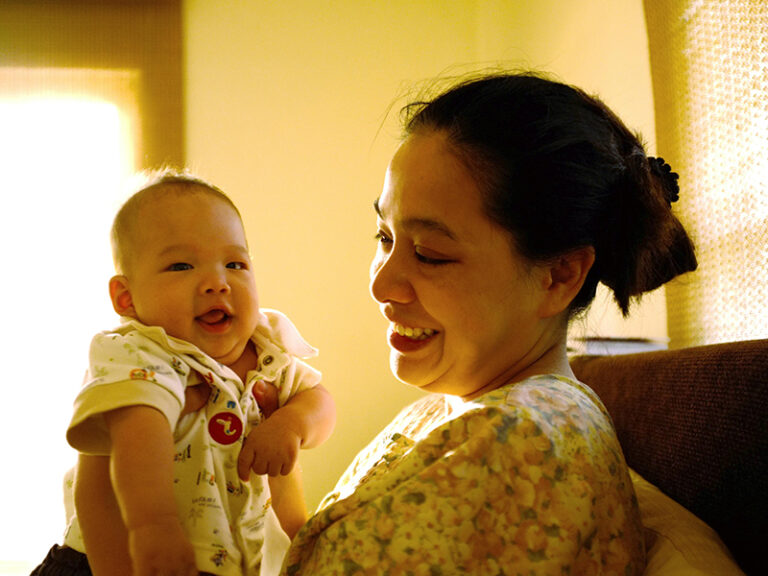
The Most Amazing Parenting Moment
I’m pretty sure you’re sleep-deprived or looking for some answers on how to put your little tyke to sleep. I’ve been there. Having being the eldest of 3 siblings with 5-years age gap between us, I’ve had my fair share with what works, and what doesn’t. I’ll be sharing a topic that sits at the very heart of early parenthood: Sleep Solutions & Patterns for our little humans aged 0-5.
So let’s start with the basics:
Your life’s turned upside down. One moment you’re dreaming of 8 uninterrupted hours, to sudden 3-hour shifts of feeding, burping, checking diaper, and going back for a nap. But fear not! This article is your beacon in the night. I’ll unpack the mysteries of tiny human slumber, share actionable strategies, and remind you that a good night’s sleep for everyone is not just a dream – it’s a conquerable quest.
- Why Zzzzs Are So Important
- The Newborn Haze (0-3 mths)
- Infant Sleep (3-12 Months)
- Toddler Sleep (1-3 Years)
- The Preschooler’s Slumber (3-5 Years)
- Common Sleep Challenges (across the board)
- Universal Solutions: The Pillars of Good Sleep
- When to Seek Professional Help
- My Final Zzzzs

The Sleep Imperative: Why Zzzzs Are So Important for Our Little Ones (and Us!)
Before we dive into the nitty-gritty of patterns and solutions, let’s briefly touch on why sleep is so critical. It’s not just about getting a break from chasing a toddler (though, let’s be honest, that’s a huge bonus!). Sleep is fundamental for:
- Brain Development: During sleep, especially deep sleep, a child’s brain is incredibly active, consolidating memories, processing information, and laying down crucial neural pathways. It’s like their tiny supercomputer is running essential updates!
- Physical Growth: Growth hormones are primarily released during sleep. Those little limbs literally get longer while they’re snoozing.
- Immune System Strength: Adequate sleep helps bolster their immune system, making them more resilient against colds and other common childhood illnesses.
- Mood Regulation & Behavior: Ever noticed how a well-rested child is generally a cheerful, cooperative little sunshine, while a tired one can be a grumpy gremlin? Sleep directly impacts their emotional regulation, focus, and overall behavior.
- Parental Well-being: And let’s not forget us! When our children sleep well, we sleep well, which directly impacts our patience, mental clarity, and ability to be the amazing parents we strive to be. It’s not selfish; it’s essential.
Understanding this “why” can help reframe those challenging nights, reminding us that every effort we make towards better sleep habits is an investment in our child’s (and our own) holistic well-being.

The Newborn Haze: When Sleep is a Free-for-All (0-3 Months)
Ah, the newborn phase! If you’re currently in it, you’re likely reading this through bleary eyes, perhaps while your tiny dictator is performing their fifth “waking up to feed” symphony of the hour. Newborn sleep patterns are, to put it mildly, non-existent. They sleep a lot (14-17 hours in a 24-hour period), but in short, unpredictable bursts, day and night. Their circadian rhythm (our internal body clock) isn’t fully developed yet, so distinguishing between day and night is a foreign concept to them.

Rule of Thumb:
If the baby cries, there are only 3 possible reasons. I use these to guide my actions during my groggy, sleep-deprived moments:
- Hunger: He/she needs to be fed. – self explanatory
- Diaper change: Pretty much self-explanatory
- Irritated: He/she feels discomfort by something external.
No. 3 is almost the same as no. 2 in the sense that it’s the little one is uncomfortable by something external. Irritation can be quite a mystery based on any number of factors. It could be brightness, noise, temperature, to cloth materials causing itchiness – or maybe he/she’s feeling unwell?
Therefore I use this 3-point systematic order to help me in my zombie-like state.
- What to Expect:
- Short Sleep Cycles: Newborns typically have very short sleep cycles (around 50-60 minutes), and they spend a good portion of that in REM sleep (active sleep), which can look like twitching, smiling, or making noises. Don’t rush in!
- Frequent Waking: They need to eat a lot. Their tiny tummies mean frequent feeds, which means frequent waking. This is normal and vital for their rapid growth.
- No Day/Night Distinction: Prepare for equally long stretches of wakefulness (and sleep!). Doesn’t matter if it’s day or night to them.
- Survival Strategies (for you!):
- “Sleep When the Baby Sleeps”: This isn’t just a cliché; it’s a lifeline. Forget the dishes, ignore the laundry. Your sleep/rest is paramount.
- 3-hour cycle! : This is crucially important. Estimate your block time for every 3 hours from the moment the little bundle of joy cries. When he/she cries, they’re awake, feeding, changing of diaper, and finally shushing them back to sleep. Then it’s “you” time until the next “alarm”. So having a 3-hour estimate gives you some form of readiness for when the next shift begins.
- Embrace the Darkness (at night): During night feeds, keep lights low, minimize talking, and change diapers only if absolutely necessary. This helps gently signal that nighttime is for sleep.
- Exposure to Light (during day): For daytime naps, don’t worry about keeping the house perfectly dark and silent. Natural light and sounds can help them distinguish day from night.
- Safe Sleep Practices: Always place your baby on their back to sleep, in a bare crib or bassinet. For comprehensive guidelines on safe sleep, consult the American Academy of Pediatrics (AAP). Their HealthyChildren.org website has invaluable resources on preventing SIDS and creating a safe sleep environment: HealthyChildren.org – Safe Sleep.
- Enforcing Night-sleep: Do NOT, under any circumstances, force the baby to practice sleep routines until about 8-12 months. It is very understandable that a lot of parents try to encourage their babies to follow their routine (listening to advice from the elder generation). Please refrain from doing so. Babies will gradually understand sleep patterns and experience sleep regression later on.
This phase is about survival, bonding, and meeting your baby’s immediate needs. Don’t stress about “bad habits” yet. You’re simply establishing a foundation of love and security.

The Great Transition: Infant Sleep (3-12 Months)
This is where things start to get interesting! Around 3-4 months, many babies begin to consolidate sleep, developing longer stretches at night and more predictable naps during the day. This is when parents often start thinking about sleep training or establishing more structured sleep routines. However, it’s also the prime time for the dreaded sleep regressions.

Developing Patterns (and Regressions!)
- 3-4 Month Sleep Regression: Often the first and most notorious. Just when you think you’ve got this sleep thing figured out, your baby starts waking more frequently, struggling with naps, and generally acting like sleep is optional. This is usually due to a developmental leap and a shift in their sleep cycles.
- 6-Month Mark: Many babies are now capable of sleeping through the night (a 6-8 hour stretch). This is also when solids are introduced, which can sometimes impact sleep, though often not significantly.
- 8-10 Month Sleep Regression: Often linked to major motor milestones (crawling, pulling to stand) and increased separation anxiety. Their brains are too busy practicing new skills to settle down!
- 12-Month Regression: Can be related to walking, dropping a second nap, or the emergence of new teeth.
Understanding Sleep Training
If you’re considering sleep training, there are various approaches, and finding the right one for your family is key. The goal is to help your baby learn to fall asleep independently and self-soothe when they wake during the night.
- Cry It Out (CIO) / Extinction: Involves putting your baby down awake and letting them cry for increasing periods before checking on them. Often seen as the fastest method, but can be hard on parents.
Note: My wife and I do not practice CIO, but instead we practice the safe and calm alternative – PUPD. Ensuring that the little one is assured, builds bond and trust (definitely important for the future) - Ferber Method (Graduated Extinction): Similar to CIO but with timed check-ins at increasing intervals.
- Chair Method / Pick Up, Put Down (PUPD): More gradual methods that involve comforting your baby from a distance or picking them up briefly for comfort before putting them back down.
- No-Cry / Gentle Methods: Focus on gradual changes, focusing on comfort and presence, often taking longer to see results but with minimal crying.
Key considerations for sleep training:
- Readiness: Ensure your baby is old enough (typically 4-6 months, cleared by pediatrician) and has no underlying medical issues.
- Consistency: Whatever method you choose, consistency is crucial.
- Support: Have a partner or support system to help you through. Tag-team ready!
- Your Comfort Level: Choose a method that aligns with your parenting philosophy and that you feel comfortable executing.
Credible Sources for Infant Sleep & Sleep Training:
- National Sleep Foundation (NSF): Provides excellent general information on sleep, including sleep recommendations by age. SleepFoundation.org – How Much Sleep Do Babies Need?
- American Academy of Sleep Medicine (AASM): While more technical, their resources often underpin the advice from pediatric organizations. AASM – Infant Sleep (This links to clinical guidelines, which might be too technical for a general parent blog, so use judiciously or refer to their patient-friendly sections if available.)
- The Sleep Lady (Kim West): A popular gentle sleep coach who advocates for gradual methods. Her website offers a lot of free resources. The Sleep Lady
My personal journey involved a bit of trial and error. We used a modified Ferber approach with our first, and it felt like magic when it finally clicked. We then switched to a gentler “pick up, put down” method worked better. Every baby truly is different!

The Naptime Negotiation & Bedtime Battles: Toddler Sleep (1-3 Years)
Welcome to toddlerhood, where “no” is their favorite word, and sleep suddenly becomes a power struggle. Toddler sleep patterns usually involve dropping from two naps to one, and then, for some, dropping naps altogether closer to three. Nighttime can bring its own set of challenges: bedtime resistance, frequent waking, and new fears.
Nap Transitions
- Two Naps to One: This usually happens between 12-18 months. Signs include resisting the second nap, taking a very short second nap, or the second nap pushing bedtime too late. The transition can be tricky, often involving an earlier single nap or a flexible schedule.
- Dropping the Last Nap: Typically occurs between 2.5-3.5 years. Your toddler might start resisting naps or taking a short nap that then interferes with nighttime sleep. Even if they don’t nap, quiet time in their room is still crucial for rest and brain breaks.

Common Toddler Sleep Challenges
- Bedtime Resistance: “Just one more story! I need a drink! I need to pee!” Toddlers are masters of delay tactics. Don’t fall for it, but talk it out patiently to them and everything will work wonders.
- Night Waking: Can be due to separation anxiety, new fears, or simply the transition between sleep cycles. Just ensure them that you are close by and they’ll fall right back to sleep.
- Night Terrors vs. Nightmares:
- Night Terrors: Often occur in the first few hours of sleep. Your child might scream, thrash, or sit bolt upright, but they are not awake and won’t remember it. Do not try to wake them; just ensure their safety. A weighted pillow across their chest simulates assurance. Either that, or a bolster against their backs.
- Nightmares: Happen closer to morning, when they are in REM sleep. Your child will wake up, be scared, and likely remember the dream. Comfort them, reassure them, and perhaps check for “monsters.”
Note: What I usually do is I’ll ask my son if he wants to climb up to sleep together with me. Usually he’ll say no, and just wants to be assured that I’m close by. But if he does? It’s a blessing to snuggle up to him and catch a few more hours of sleep.
Toddler Sleep Solutions
- Consistent Bedtime Routine (and Stick to It!): This is non-negotiable. A predictable sequence of events (bath, pajamas, brush teeth, stories, lullaby) signals to their body that sleep is coming.
- Clear Boundaries: When it’s bedtime, it’s bedtime. Be firm but loving. Avoid engaging in long conversations or giving in to endless demands. Set a cut-off time, and engage with them in low-energy activities. One of my favorites is playing the “listening” game, and the little tyke will nod off to dreamland.
- Positive Language: Talk about bedtime as a happy, calm time. “It’s time for our cozy sleep.” Talk about the day, what they experienced, talk about the present, of what’s happening now. And finally talk about tomorrow, and what excitement it will bring. Use low, calm, and positive tones – avoid over-hyping the child, as this may be counter-productive.
- “Okay to Wake” Clocks: These can be magic! They change color or show a sun when it’s okay for your child to get out of bed, helping to prevent those 6 AM wake-up calls.
Note: I use a tablet with a gentle alarm reminder so that the little one can interact with. As a tablet, there are many apps, but what I used is to download a soft and gentle music as an alarm that will trigger and simulate a fresh morning. Works wonders. - Address Fears: If night terrors or nightmares are an issue, create a comforting environment. A small nightlight, a comfort object, and reassuring words can help. For night terrors, focus on safety and gently guiding them back to sleep.
Note: Some kids don’t like nightlights. Always remember: Your kid is basically 50% of you. My son is like me – he’s very sensitive to light and sound. So we usually make his room cool, comfortable, and dim. Different kids, different approach. - Optimal Sleep Environment: Ensure their room is dark, quiet, and a comfortable temperature. Blackout blinds are your friend.
Credible Sources for Toddler Sleep:
- Sleep Foundation – Toddler Sleep: Offers a comprehensive guide to sleep needs and common issues in toddlers. SleepFoundation.org – Toddler Sleep
- Mayo Clinic – Toddler sleep: Helping your child sleep through the night: Practical advice from a trusted medical institution. Mayo Clinic – Toddler sleep
My personal experience with toddler sleep involved a lot of creativity with “Okay to Wake” clocks and establishing a pre-bedtime “wind-down” routine that involved quiet reading and a warm drink. Consistency truly is the superhero here!

The Preschooler’s Slumber: Nurturing Independence (3-5 Years)
By the time they hit the preschool years, many children have settled into a more predictable sleep pattern, often with a single nap or simply “quiet time” in the afternoon, and consolidated nighttime sleep. This stage is about refining their sleep independence and addressing any new challenges that emerge with their booming imaginations.
Evolving Sleep Needs
- Decreased Naps: While some 3-year-olds still nap, many will drop their naps completely by age 4 or 5. Even if they don’t sleep, a period of quiet time in their room is still beneficial for rest and independent play.
- Longer Night Sleep: They need around 10-13 hours of sleep in a 24-hour period.
- Increased Independence: They can start taking more ownership of their bedtime routine (choosing pajamas, picking a book).

New Challenges in Preschool Sleep
- Bedtime Fears: As their imagination develops, so can fears of monsters, darkness, or being alone.
- Pre-sleep Jitters: Excitement about the next day or worries about school can make it hard to wind down.
- Sleepwalking/Sleeptalking: More common in this age group, often harmless, but ensure their environment is safe.
Preschool Sleep Solutions
- Consistent Schedule (Still King!): Maintain consistent bedtimes and wake times, even on weekends, to support their circadian rhythm.
- Empowerment in Routine: Let them make small choices within the routine (e.g., “Do you want the blue pajamas or the red ones?”). This gives them a sense of control.
- Address Fears Directly: Validate their fears (“I know monsters can feel scary!”), but reassure them they are safe. A “monster spray” (water in a spray bottle), a special comfort item, or checking the room together can help.
- Calm Wind-Down: Continue with quiet activities like reading, soft music, or quiet conversation. Avoid screens (TV, tablets) for at least an hour before bed, as the blue light can interfere with melatonin production.
- Healthy Sleep Habits: Ensure their bedroom is a sleep sanctuary – dark, cool, and quiet.
- Morning Rituals: A gentle wake-up routine can make getting out of bed easier and set a positive tone for the day. Ease them into waking up slow. Avoid sudden or hyperactive actions.
Credible Sources for Preschooler Sleep:
- American Academy of Sleep Medicine (AASM) – Recommended Sleep Times: Provides broad age-based recommendations. AASM – Recommended Sleep Times (This is a PDF, so link directly to a page that contains or references this).
- National Association for the Education of Young Children (NAEYC) – Sleep and Young Children: Offers guidance on the importance of sleep for development. NAEYC – Sleep and Young Children
My experience with my preschooler was all about battling those imaginative fears. We had to check under the bed for “shadow monsters” nightly for a phase! But consistency, calm reassurance, and a good dose of “monster spray” eventually won the day.

Common Sleep Challenges (Across the Board) & Solutions
While we’ve touched on age-specific issues, some sleep challenges are universal across the early years.

- Sleep Regressions (Revisited): These aren’t failures; they’re signs of development! Remember the “leaps” (like those in the Wonder Weeks app) that cause fussiness and disrupted sleep. Understanding why it’s happening can help you ride it out with more patience.
- Sickness & Teething: Illness or teething can temporarily derail even the best sleep habits. Focus on comfort and getting them through it. Once they’re better, get back to your routine as quickly as possible.
- Travel & Schedule Changes: Vacations, daylight saving time, or changes in daycare schedules can throw sleep off. Be patient, adjust gradually where possible, and return to consistency upon resuming your normal routine.
- Insufficient Sleep: Signs include excessive fussiness, difficulty waking up, falling asleep quickly in the car or stroller, or behavioral issues. If your child isn’t getting enough sleep, it’s time to re-evaluate their schedule.

Universal Solutions: The Pillars of Good Sleep
- Consistent Bedtime Routine: Non-negotiable. This is the bedrock of good sleep.
- Optimal Sleep Environment: Dark, quiet, cool, and safe.
- Consistent Schedule: Regular bedtimes and wake times, and consistent nap times (if applicable).
- Age-Appropriate Sleep Needs: Understand how much sleep your child truly needs and adjust accordingly.
- Positive Sleep Associations: Help them associate their bed/crib with comfort and sleep (e.g., lovey, consistent routine, dark room).
- Limit Stimulants: Avoid screens (especially before bed), sugary snacks, and excessive exciting play in the hour leading up to bedtime.

When to Seek Professional Help
While many sleep challenges are normal parts of development, there are times when it’s wise to reach out to a professional.
- Persistent Sleep Problems: If your child’s sleep issues are severe, prolonged, and significantly impacting their well-being or your family’s, despite consistent efforts.
- Loud Snoring or Pauses in Breathing: Could be signs of sleep apnea, which requires medical attention.
- Excessive Daytime Sleepiness: If your child is constantly drowsy during the day, beyond what’s expected for their age.
- Unusual Nighttime Behaviors: Frequent night terrors that are disruptive, sleepwalking that is unsafe, or other concerning behaviors.
- Concerns about Development: If sleep issues are accompanied by developmental concerns.
Your pediatrician is always your first point of contact. They can rule out underlying medical issues and provide referrals to pediatric sleep specialists if needed.

My Final Zzzzs: Patience, Persistence, and a Whole Lot of Love
Navigating the world of sleep solutions and patterns in the early years is undoubtedly one of parenting’s greatest challenges, but also one of its most rewarding. There will be nights that feel endless, days that feel like a blur, and moments where you question everything. But with knowledge, consistency, and a healthy dose of self-compassion, you are building the foundation for healthy sleep habits that will benefit your child for years to come.
Remember, every child is unique, and what works for one family might not work for another. Be patient with yourself, be persistent in your efforts, and always lead with love. Even when they’re fighting sleep tooth and nail, they need your calm presence and reassurance.
You’ve got this, even if you’re operating on fumes. Go get some rest, you deserve it!
Related Articles:
- Growth & Milestones: Tracking physical, cognitive, social, and emotional development; celebrating firsts.
- Feeding & Nutrition: Breastfeeding, formula feeding, introducing solids, picky eating strategies, healthy snacks.
- Play & Learning: Age-appropriate activities, sensory play, DIY toys, fostering creativity and curiosity.
- Behavior & Discipline: Managing tantrums, setting gentle boundaries, positive reinforcement, sibling dynamics in early years.
- Emotional Development: Guide them in developing strong social skills, emotional intelligence, and the ability to bounce back from challenges.
- Early Years Resource Guide: Find trusted resources, developmental trackers, and valuable parenting books to navigate these crucial years.