
Why It’s the Most Powerful Tool in Early Childhood Development (and How Parents Can Embrace It!)
If you’re a parent navigating those wondrous, exhausting, and utterly transformative Early Years (0-5), you’ve probably heard the mantra, “Play is a child’s work.” And what better way is there for a child to learn things than Play & Learning?.
I remember distinctly thinking, when my first little one was born, that “learning” meant flashcards and structured activities. I’d envision teaching phonics and numbers. Then, I watched in awe as a tiny hand grappled with a crinkly toy, utterly fascinated by the sound. Or as a wobbly toddler stacked a block, beams of triumph radiating from their little face. It hit me: this was learning. Real, deep, foundational learning, happening through what looked like pure, unadulterated joy.
The key fundamental is that it isn’t about pushing academics or turning every moment into a formal lesson. It’s about understanding that for our infants, toddlers, and preschoolers, their most effective classroom is the world around them. Their most effective teacher is their innate curiosity, expressed through play. This article, is my warm, witty, and surprisingly practical guide to unlocking the incredible power of play, backed by insights from early educators and pediatricians. (Through my experience working with early education therapists and specialists).
So, let’s toss the guilt, embrace the mess, and dive into why play is the undisputed champion of early childhood development.
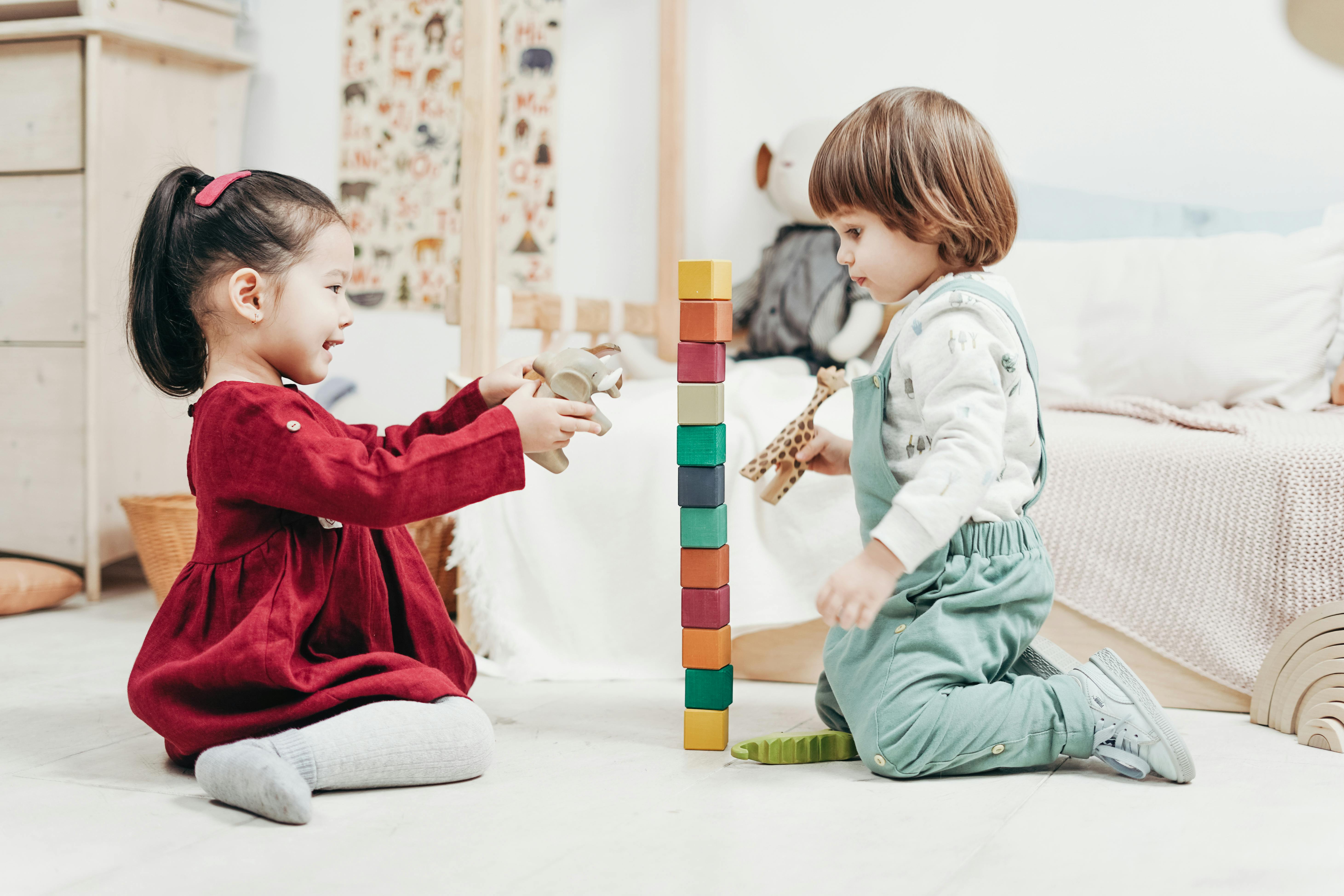
The Science of Play & Learning: More Than Just Fun and Games (It’s Brain Food!)
Sometimes, especially in our busy, achievement-oriented world, it’s easy to dismiss play as mere entertainment. But pediatricians, neuroscientists, and early childhood educators are unified in their understanding: play is fundamental, indispensable, and utterly essential for healthy development. It’s not a break from learning; it is learning. Think of it as brain-building, social-skill-honing, problem-solving boot camp disguised as pure joy.
During play, a child’s brain is incredibly active, firing on all cylinders to make connections, test theories, and develop crucial pathways. It’s during these seemingly simple activities that the complex architecture of their mind is built.
Insight from a Pediatrician:
Dr. Michael Yogman and his colleagues from the American Academy of Pediatrics (AAP) highlight the profound impact of play in their clinical report, “The Power of Play: A Pediatric Role in Enhancing Development in Young Children.” They state, “Play is not frivolous; it is brain building.” This means that when your child is stacking blocks, splashing in a puddle, or pretending to be a superhero, they are actively developing cognitive, physical, social, and emotional skills that are vital for their future success.
For a comprehensive overview, you can explore their report on the AAP’s HealthyChildren.org website: The Power of Play: A Pediatric Role in Enhancing Development in Young Children.
Let’s break down the incredible developmental buffet that play offers:
Cognitive Development:
- Problem-Solving: Ever watched a toddler try to fit a square peg in a round hole? That’s problem-solving in action! They’re testing hypotheses, adapting, and learning cause and effect. Building towers, completing puzzles, or figuring out how to get a toy out from under the couch all sharpen their critical thinking.
- Creativity & Imagination: When they turn a cardboard box into a spaceship or a blanket into a fort, they’re engaging their imagination. This fosters abstract thinking, innovation, and the ability to envision possibilities. This is foundational for future creative endeavors, whether in arts or sciences.
- Language & Literacy: Pretend play is a language goldmine! Children narrate their actions, create dialogue for characters, and expand their vocabulary. Reading aloud is also a form of play – they interact with stories, predict outcomes, and connect words to meaning.
- Memory & Attention: Remembering the rules of a simple game, recalling where they hid a toy, or staying focused on building a complex structure all strengthen memory and attention span.

Social-Emotional Development:
- Emotional Regulation: Play provides a safe space to explore and express emotions. A child might act out frustration, fear, or joy through their toys, learning to process these feelings. Cooperative play teaches patience, sharing, and compromise.
- Empathy & Perspective-Taking: When children engage in pretend play, they step into different roles (mommy, daddy, doctor, animal). This helps them understand different perspectives and develop empathy, crucial for healthy relationships.
- Self-Confidence & Resilience: Successfully building a tall tower, mastering a new skill on the playground, or resolving a small conflict during play boosts a child’s self-esteem and teaches them resilience in the face of challenges. They learn that trying again often leads to success.

Physical Development:
- Gross Motor Skills: Running, jumping, climbing, throwing, and dancing all develop large muscle groups, coordination, and balance. This active play is vital for physical health and dexterity.
- Fine Motor Skills: Activities like drawing, cutting with child-safe scissors, manipulating small toys, stringing beads, or even just picking up tiny objects enhance hand-eye coordination and strengthen the small muscles in their hands and fingers, preparing them for writing and self-care.
- Sensory Integration: Play engages all five (and more!) senses. Touching different textures, listening to new sounds, exploring tastes, and navigating spaces helps children integrate sensory information, which is crucial for learning and interacting with the world.
So, the next time you see your child fully absorbed in play, know that their little brains are doing some serious heavy lifting. You’re not just watching them have fun; you’re watching them build the very foundations of who they will become. Embrace it, encourage it, and sometimes, just quietly observe it.

Different Types of Play & Learning – What They Teach: A Parent’s Playbook
Understanding that “play” isn’t a monolith is key. There are many different flavors of play, each offering unique developmental benefits. As parents, recognizing these types allows us to provide a richer, more varied play environment. You don’t need expensive toys; often, the best tools are already in your home or backyard!
Insight from an Early Educator:
According to the National Association for the Education of Young Children (NAEYC), a leading voice in early childhood education, quality learning environments embrace diverse forms of play. They emphasize that “play is a vehicle for learning, not a break from it.” Their guidelines consistently highlight the importance of providing opportunities for all types of play to foster holistic development.
You can find more about their philosophy on active learning and play here: NAEYC – Play and Children’s Learning.
Let’s explore some key types of play and the fantastic lessons they impart:
1. Free Play / Unstructured Play: The Creative Chaos
This is perhaps the most crucial type of play. It’s child-led, open-ended, and without specific rules or adult direction. Think of a child running around the backyard, making up their own games, or simply exploring a pile of leaves.
- What it Teaches: Autonomy, decision-making, problem-solving (they decide what to do and how to do it), creativity, self-regulation, and developing intrinsic motivation. It allows children to process their world on their own terms.
- Parent’s Role: Provide a safe environment, offer open-ended materials (blocks, scarves, cardboard boxes, natural items), and step back. Observe, but don’t direct. Resist the urge to fix it or organize it. Let them lead.
- Witty Tip: Sometimes the best “toy” is the box it came in. True story. My kids once spent an entire afternoon turning a washing machine box into a rocket ship. Best. Toy. Ever.
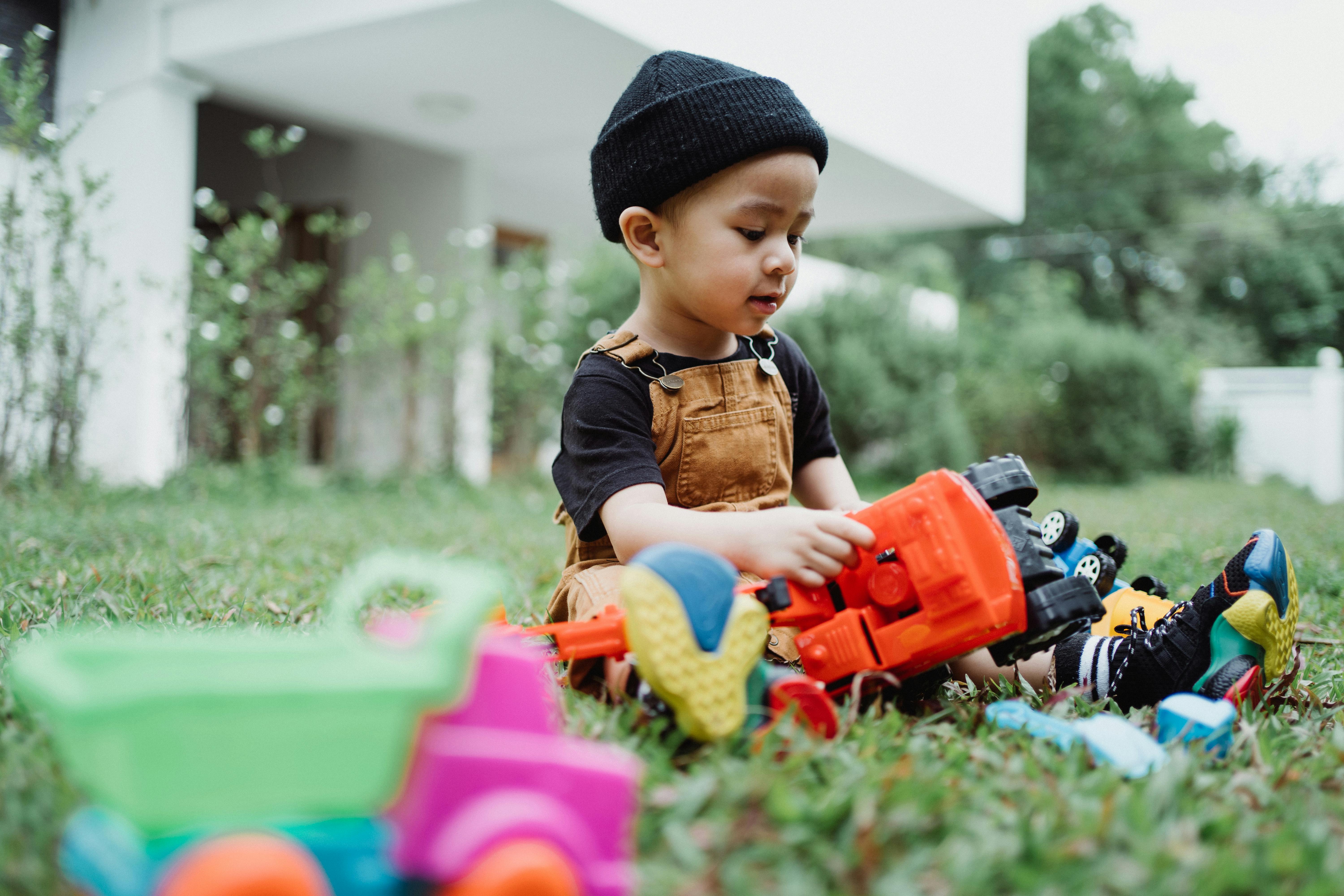
2. Structured Play / Guided Play: Learning with a Gentle Hand
This type of play has a specific goal or rules, often introduced by an adult, but still maintains an element of fun and engagement. Examples include board games, puzzles, simple sorting activities, or following steps to bake cookies.
- What it Teaches: Rule-following, turn-taking, early math concepts (counting, matching), problem-solving (within a defined framework), fine motor skills (for puzzles/games), patience, and working towards a goal.
- Parent’s Role: Introduce the game or activity, explain the rules clearly, and then participate as a player, not a coach. Guide gently if they get stuck, but allow them to try and make mistakes.
- Witty Tip: “Winning isn’t everything”… unless you’re playing Candy Land with a competitive three-year-old. Then, it’s definitely everything. Learn to lose gracefully (it’s good for them, and occasionally, good for you!).

3. Pretend Play / Imaginative Play: Worlds in the Making
This is where children create imaginary scenarios, characters, and roles. They might pretend to be doctors, teachers, animals, or fantastical creatures. This often involves dress-up, dolls, action figures, or simply using everyday objects as props.
- What it Teaches: Language development (rich vocabulary, narrative skills), social skills (negotiating roles, empathy, conflict resolution), emotional processing (acting out fears or anxieties), creativity, and problem-solving within a fictional context. It’s a powerful way for them to make sense of the world.
- Parent’s Role: Offer props (scarves, old clothes, toy food, blocks), ask open-ended questions (“What’s happening in your castle?”), and join in if invited, following their lead. Avoid imposing your own ideas.
- Witty Tip: Prepare for intense negotiations over who gets to be the “bad guy” or why the banana is definitely a phone. Just go with it. Your Oscar for Best Supporting Role in an Imaginary Scenario is waiting.
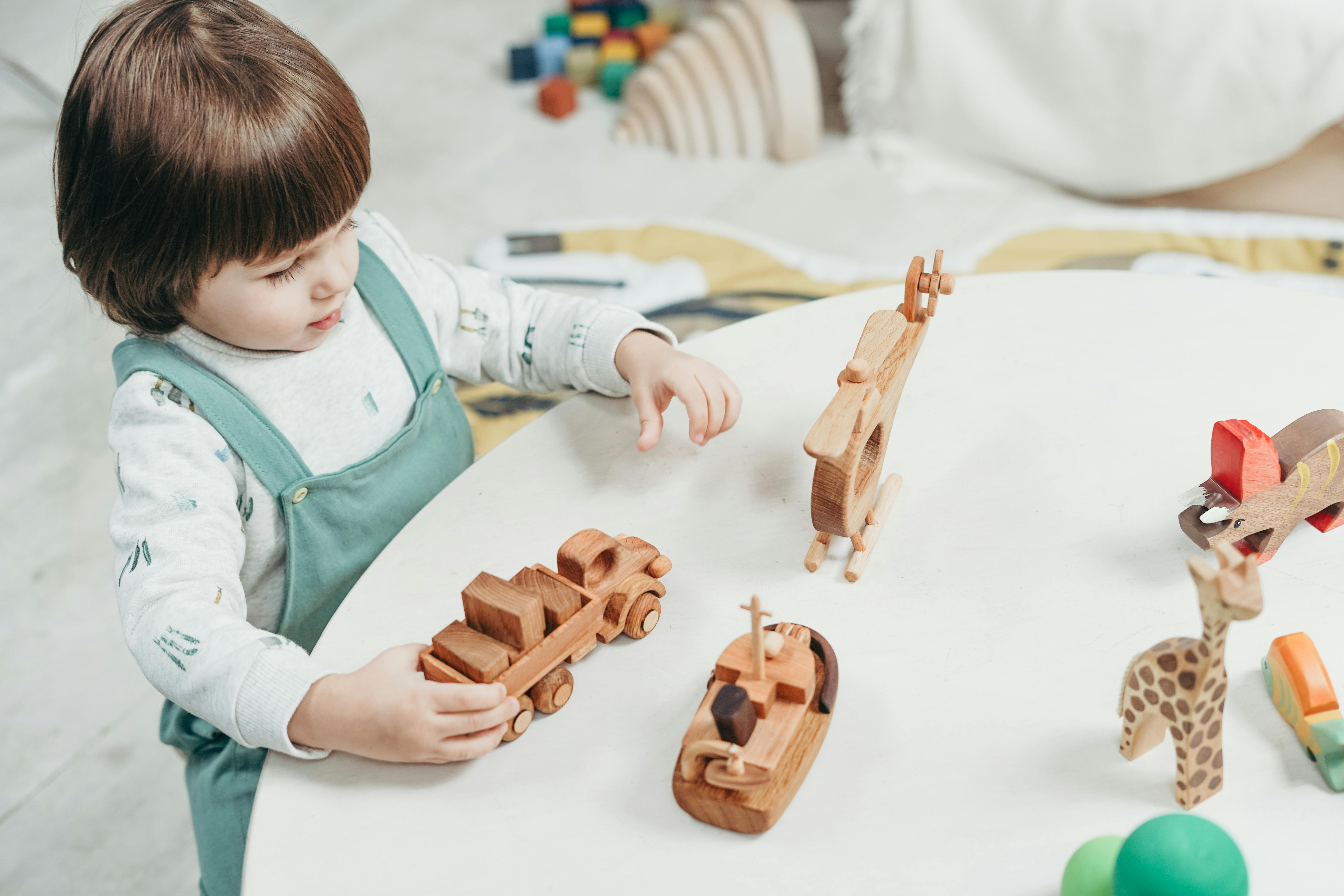
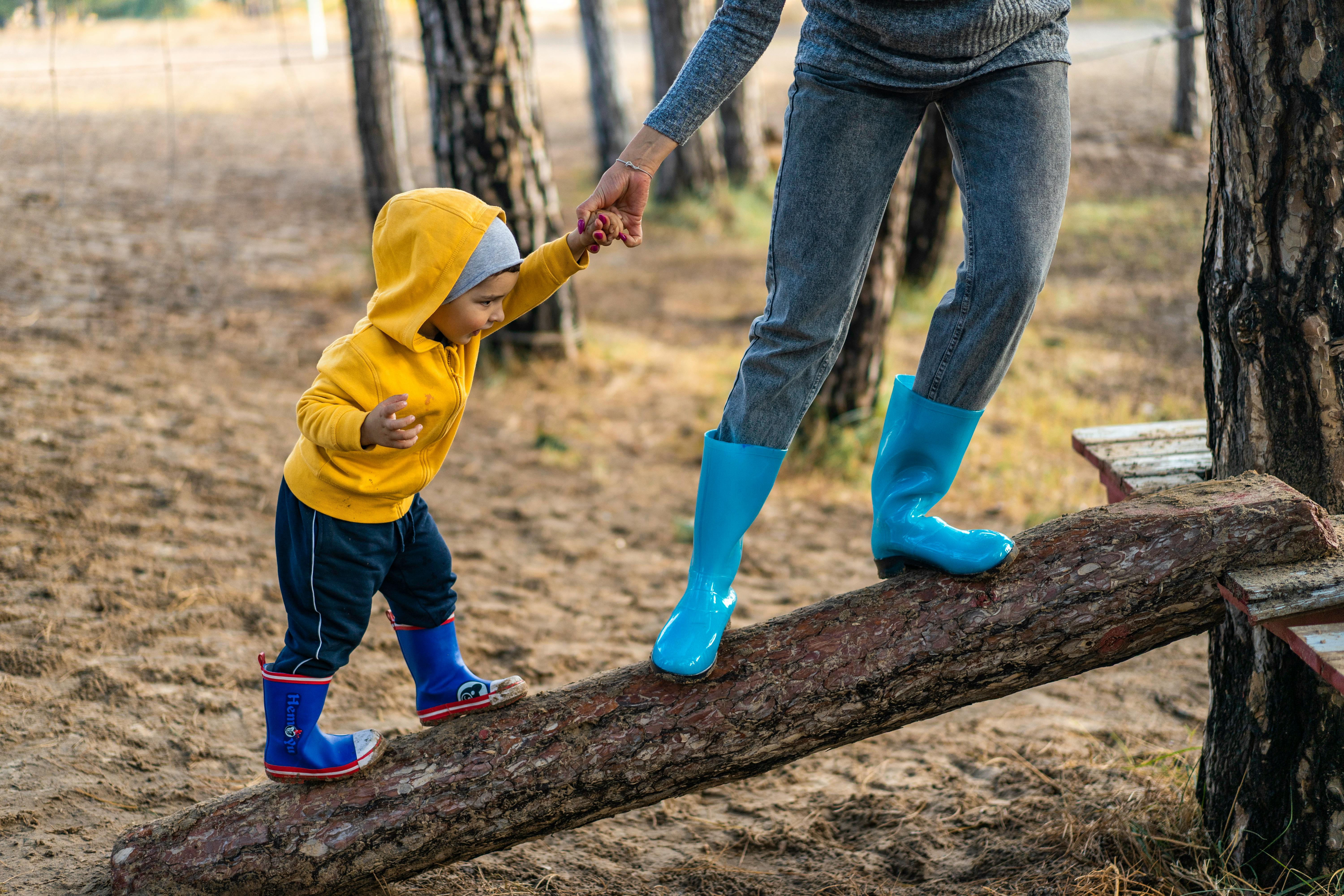
4. Active Play: Moving and Grooving for Development
Any play that involves physical movement and energy expenditure. Running, jumping, climbing, dancing, riding tricycles, or playing tag.
- What it Teaches: Gross motor skills, coordination, balance, strength, spatial awareness, self-regulation (burning off energy), and cardiovascular health. It’s essential for both physical and mental well-being.
- Parent’s Role: Provide opportunities for safe movement, encourage outdoor play, and participate! Chase them, kick a ball, dance with abandon.
- Witty Tip: Yes, they do have an endless supply of energy. Your job is to help them strategically deploy it, preferably outdoors, before bedtime. A tired child often sleeps better!
5. Sensory Play: Engaging All the Senses
Activities that engage the senses: touch (sand, water, playdough), smell (scented playdough, herbs), sight (colors, lights), sound (music, shakers), and even taste (supervised food play).
- What it Teaches: Fine motor skills, cognitive development (exploring properties of materials), language (describing textures, smells), creativity, and calming/self-regulation (sensory input can be very soothing).
- Parent’s Role: Offer a variety of safe materials (e.g., dry pasta, rice, water, bubbles, playdough, natural elements), supervise for safety, and allow for mess.
- Witty Tip: Sensory play is amazing. It is also inherently messy. Embrace it. Or contain it. Or embrace it and contain it. A cheap shower curtain under the play area is your secret weapon.
By diversifying their play experiences, we provide a rich tapestry of learning opportunities. Remember, the goal isn’t to force specific outcomes but to create a nurturing environment where learning happens organically through joyful exploration.

The Parent’s Role: Being a Play Facilitator, Not a Play Director
This is where things can get tricky for us well-meaning parents. We want our children to learn and develop, and sometimes that translates into the urge to direct every interaction. However, when it comes to early childhood play, our most powerful role is often that of a facilitator – someone who sets the stage, provides the materials, and then gets out of the way.
Insight from a Developmental Psychologist:
Dr. Kathy Hirsh-Pasek, a leading expert on the science of learning and co-author of “Becoming Brilliant,” often stresses that optimal learning happens when children are actively engaged and self-directed. She advocates for “guided play” where adults “tune-in” to children’s interests and gently scaffold their learning, rather than dictating it. The key is to be a responsive partner, not a taskmaster. Her work, often found through the Brookings Institution or Temple University, emphasizes the importance of playful learning experiences: Learning Through Play – The Brookings Institution.
Here’s how to gracefully step into the role of play facilitator:
1. Create a “Yes” Environment:
- Safety First: Child-proof your home. Remove hazards so you can relax and allow for more exploration. This lets you say “yes” to curiosity more often.
- Accessibility: Place toys and materials within reach, ideally in organized bins or shelves. If they can easily access it, they’re more likely to engage independently.
- Stimulating, Not Overwhelming: A room full of toys can be paralyzing. Rotate toys, keep things organized, and don’t feel the need to buy every new gadget. Less is often more.

2. Observe More, Intervene Less:
- Be a Silent Observer: Before jumping in, take a moment to simply watch your child play. What are they trying to do? What problems are they encountering? What are their interests?
- Follow Their Lead: If you join in, follow their narrative. If they’re using a block as a phone, don’t correct them and say it’s a block. Play along!
- Resist the Urge to “Fix It”: If they’re struggling to fit a puzzle piece, don’t immediately put it in for them. Offer a verbal cue (“Try turning it,” “Is that piece too big?”), but let them experience the satisfaction of figuring it out. This builds persistence and problem-solving skills.
- Witty Tip: Your biggest challenge might be keeping your mouth shut. My inner voice is constantly screaming, “That block goes there! Use the red one! What are you doing with the dog?!” Breathe. Observe.
3. Embrace Boredom (It’s a Catalyst for Creativity!):
- It sounds counterintuitive, but moments of boredom are often the spark for genuine creativity. Don’t feel the need to constantly entertain your child.
- When they say “I’m bored,” resist the urge to immediately suggest an activity. Instead, try: “Hmm, what could you do with that box?” or “I wonder what new game you could invent today?”
- Insight from Early Educators: Many early educators promote “loose parts play” – providing open-ended materials (like sticks, stones, fabric scraps, cardboard tubes) with no prescribed use. This encourages children to invent their own play scenarios, directly combating boredom and fostering innovation.
4. Play With Them (But Know When to Step Away):
- Dedicated, engaged playtime with you is incredibly valuable for bonding, modeling behavior, and fostering language. Get down on the floor. Be silly.
- However, don’t feel guilty about also letting them play independently. Independent play is vital for developing self-reliance, focus, and imagination. It’s a balance.
- Quality over Quantity: 15-20 minutes of truly engaged, child-led play is more beneficial than an hour of distracted presence.
5. Navigating Screen Time: A Modern Dilemma:
- This is a big one. While screens can offer educational content, excessive or passive screen time can detract from vital hands-on play.
- Pediatrician Advice (AAP): The American Academy of Pediatrics recommends avoiding screen media for children younger than 18 to 24 months, with the exception of video-chatting. For children 2-5 years, they suggest limiting screen use to 1 hour per day of high-quality programming. Most importantly, co-view and discuss what they’re watching. Screen time should be balanced with plenty of unplugged, active, and social play. You can find their guidelines here: AAP – Screen Time Guidelines.
- Witty Tip: Don’t just plonk down a device and call it a day – sit with them, point out what’s being mentioned on the screen, engage with your little one. Question, answer, and praise them for their attention.
Your presence, your gentle guidance, and your belief in their innate ability to learn through play are the greatest gifts you can give your child. You’re not just facilitating fun; you’re nurturing a lifelong love of learning.
Age-Specific Play & Learning Ideas: Tailoring the Fun!
While the principles of play are universal, how play manifests and the types of activities that are most beneficial naturally evolve as your child grows. Let’s break down some age-appropriate ideas, always remembering that these are guidelines, not rigid rules!
Image: [A composite image showing three distinct scenes: an infant on a tummy time mat playing with high-contrast toys; a toddler happily dumping and filling containers with sand or water; a preschooler deeply engaged in drawing or building a complex block structure.]

Infants (0-12 Months): The Sensory Explorers & Movement Masters

In this stage, learning is all about sensory input and mastering basic motor control. Every new sight, sound, touch, and movement is a profound learning experience.
- Key Developmental Focus: Sensory exploration, gross motor skills (head control, rolling, sitting, crawling, pulling to stand), fine motor skills (grasping, reaching), early communication (babbling, gestures).
- Play Ideas:
- Tummy Time: Essential for building neck and core strength. Lie down with them, show them toys, sing songs. Make it fun!
- High-Contrast Toys & Mobiles: Newborns are drawn to bold black-and-white patterns.
- Sensory Play (Safe Exploration): Provide soft fabrics, crinkly toys, rattles, and safe items to mouth. Water play in a shallow basin (supervised!) is fantastic.
- “Reading” Books: Point to pictures, describe what you see, make animal sounds. Even pre-verbal babies love story time.
- Peek-a-Boo & Patty-Cake: These classic games teach object permanence and early social reciprocity.
- Mirror Play: Let them look at themselves in a safe mirror. They’ll be fascinated by their own movements and expressions.
- Advice from a Pediatrician: “For infants, simple is best. Focus on rich sensory experiences and plenty of opportunities for movement. Tummy time is non-negotiable for motor development. Talk, read, and sing to your baby constantly – it’s foundational for language development even before they speak their first word.” – Based on AAP guidelines on infant development and early literacy.
- Witty Tip: Your “acting” in peek-a-boo might feel ridiculous, but to them, it’s mind-blowing magic! Embrace the absurdity.

Toddlers (1-3 Years): The Little Scientists & Budding Communicators

Toddlers are on the move and their curiosity knows no bounds. They’re testing boundaries, experimenting with cause and effect, and their language skills are exploding.
- Key Developmental Focus: Gross motor (walking, running, jumping), fine motor (stacking, scribbling), language acquisition, early problem-solving, independence, emotional expression.
- Play Ideas:
- Building Blocks (Large): Stacking, knocking down, creating simple structures. Introduces concepts of balance and gravity.
- Shape Sorters & Simple Puzzles: Develop problem-solving, matching, and fine motor skills.
- Imitative Play: Provide toy phones, cooking sets, or tools. They love to mimic daily activities.
- Outdoor Exploration: Lots of time at the park, collecting leaves, splashing in puddles (supervised!). Nature is the ultimate sensory playground.
- Art Exploration: Large crayons, washable markers, finger paints. Focus on the process, not the product.
- Music & Movement: Dance parties, shakers, singing songs with actions. Great for coordination and energy release.
- Advice from an Early Educator: “Toddlers are innately curious scientists. Provide open-ended materials that can be used in multiple ways – blocks, playdough, water, sand. Allow for repetition; they’re mastering skills. And talk with them about what they’re doing to boost language development.” – Referencing principles from organizations like Zero to Three, which focuses on early childhood development. Zero to Three – Toddler Play.
- Witty Tip: The number of times they can ask “Why?” is directly proportional to your daily coffee intake. Embrace it as a sign of their incredible curiosity!

Preschoolers (3-5 Years): The Social Storytellers & Pre-Academic Adventurers
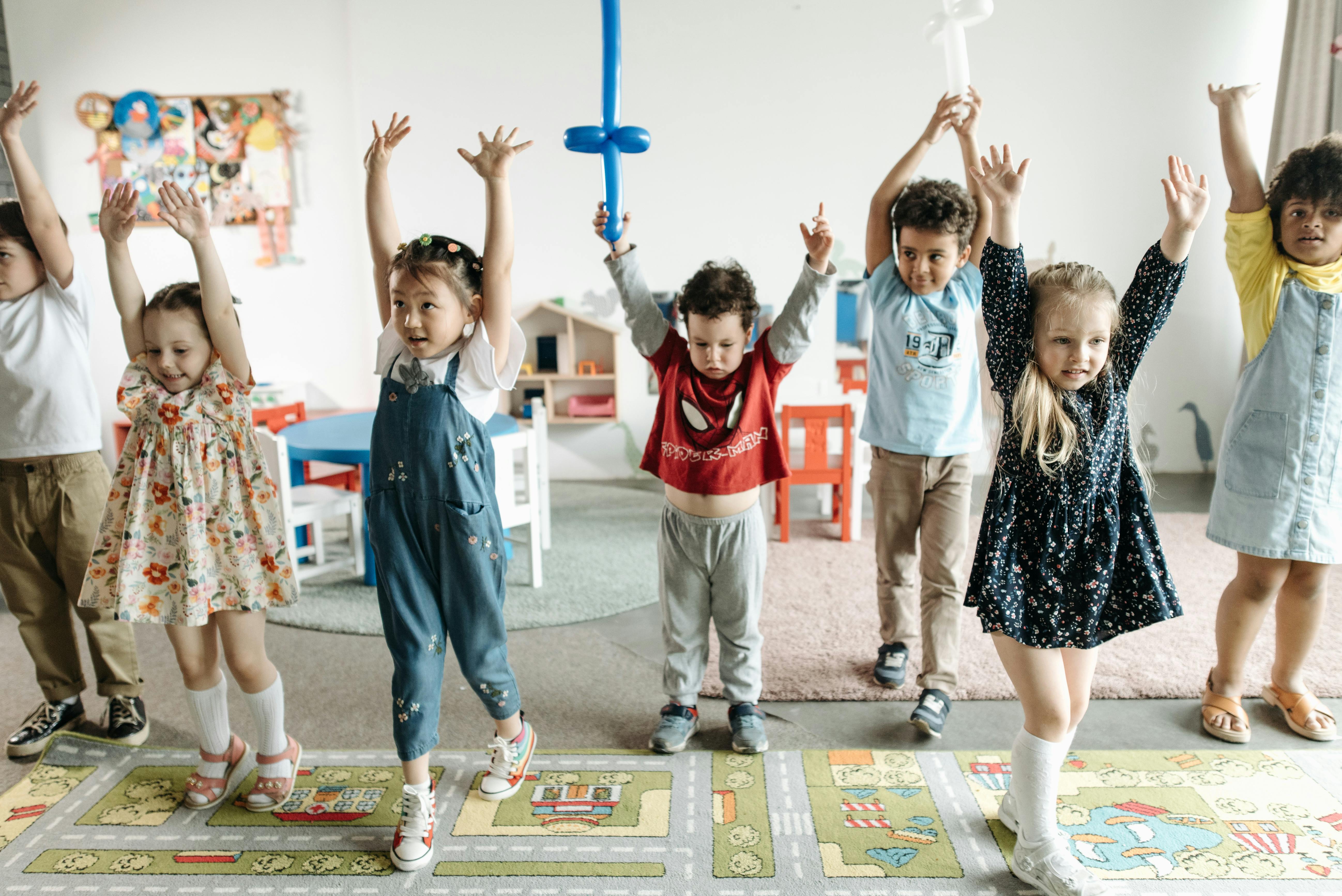
Preschoolers are becoming more social, their imaginations are soaring, and they’re starting to show interest in letters, numbers, and more complex social interactions.
- Key Developmental Focus: Social skills (cooperation, negotiation), advanced imaginative play, complex problem-solving, early literacy and numeracy, self-regulation, fine motor control for pre-writing.
- Play Ideas:
- Role-Playing Scenarios: Set up a pretend grocery store, doctor’s office, or space station. Encourage them to take on different roles.
- Complex Building Sets: Lego Duplos, magnetic tiles. Encourages planning, spatial reasoning, and collaboration.
- Board Games (Simple Rules): Teaches turn-taking, counting, following rules, and handling winning/losing gracefully.
- Storytelling & Puppets: Encourage them to create their own stories, using puppets or drawing pictures. Boosts narrative skills and creativity.
- Early Literacy/Numeracy Games: Letter matching, counting games, sorting by color/size/shape. Make it playful, not like schoolwork.
- Outdoor Adventure Play: Climbing structures, riding bikes, organized group games.
- Advice from an Early Educator: “For preschoolers, focus on opportunities for cooperative play and extended imaginative scenarios. Provide materials that spark their curiosity for early literacy and math, but always keep it play-based. Their social skills are developing rapidly, so interactions with peers are vital.” – Consistent with best practices advocated by NAEYC for preschool education.
- Witty Tip: You will now be assigned roles in their elaborate dramas. You might be the pet, the baby, or the very grumpy customer. Embrace your character with gusto!
By understanding what drives your child at each stage, you can provide the richest, most impactful play experiences. Remember, the goal isn’t to rush development but to nurture their natural inclination to learn through the joy of play.

Overcoming Play & Learning Challenges: Keeping the Fun Flowing
Even with the best intentions, the journey of Play & Learning isn’t always smooth. We face real-world challenges that can make prioritizing play feel impossible. But fear not, these bumps in the road are normal, and there are ways to navigate them.
1. The “I’m Bored” Epidemic & Over-Scheduling
It’s tempting to fill every minute of a child’s day with structured activities, thinking more is better. But often, it leaves little room for the magic of unstructured play.
- The Power of Boredom: As mentioned, true creativity often springs from boredom. If your child constantly says “I’m bored,” resist the urge to immediately provide a solution. Instead, acknowledge it (“It sounds like you’re feeling bored right now”) and then offer open-ended questions (“What do you think you could do with these boxes?” or “I wonder if you could invent a new game?”). Give them space to figure it out.
- De-Schedule (Strategically): Evaluate your family’s schedule. Is there too much going on? Can you cut back on one activity to free up more time for unstructured play at home or outdoors? Children need downtime just as much as adults do.
2. Making Time for Play in a Busy World
This is a universal struggle. Between work, household chores, and other commitments, finding dedicated time for play can feel overwhelming.
- Integrate Play into Daily Routines:
- Cooking Play: Let them “help” in the kitchen with safe tasks like washing vegetables, stirring ingredients, or sorting cutlery. This is sensory play, fine motor, and practical life skills all rolled into one.
- Chore Play: Turn chores into games! “Let’s see how fast we can put the toys in the bin!” or “Can you sort the socks by color?”
- Walks are Adventures: A simple walk around the block can become an exploration – counting steps, finding specific colors, looking for shapes, observing nature.
- “Small Moments” Matter: You don’t need hours. Ten minutes of truly engaged play is more beneficial than an hour of distracted presence. Get down on their level, put away your phone, and be truly present, even for a short burst.
- Outdoor Play is Efficient: Often, just getting outside immediately sparks independent and active play. Less setup, more exploration!
3. Managing Our Own Expectations (It Won’t Always Be Instagram-Perfect!)
We see curated images of perfect play spaces and perfectly engaged children. Real life is messy.
- Embrace the Mess: Play is often messy. Whether it’s paint, playdough, sand, or just a pile of blocks, accept that learning sometimes comes with cleanup. Provide drop cloths, designated play clothes, or take activities outdoors.
- It’s Okay if They Don’t “Love” Everything: Your child might not be interested in every play idea you introduce. That’s perfectly normal! Follow their cues and interests. If they’re not into painting today, try blocks.
- Self-Compassion: There will be days you’re too exhausted to engage. That’s okay. Give them safe, independent play options, and prioritize your own rest. A well-rested parent is a better play facilitator.
4. When Play Needs a Boost: Addressing Specific Challenges
- Lack of Social Play: If your child struggles with cooperative play, arrange small, supervised playdates. Model sharing and turn-taking. Engage in structured games that require interaction.
- Over-Reliance on Screens: If screens have become the default, gradually introduce alternatives. Create a “screen-free zone” or “screen-free hours.” Offer engaging, hands-on alternatives that capture their attention.
- Sensory Seeking/Avoiding: Some children have unique sensory needs. If your child seems overwhelmed by certain textures or constantly seeks intense sensory input, consult with a pediatrician or occupational therapist. They can provide tailored advice and activities.
General Advice from Early Educators: “The best play environment is one where children feel safe, loved, and free to explore. Our role as adults is to be responsive, provide a rich array of materials, and trust in the child’s innate drive to learn. Don’t underestimate the power of simply being present and engaged.” – Reflecting common pedagogical advice from bodies like the National Association for the Education of Young Children (NAEYC).
By proactively addressing these common challenges, we can ensure that play remains a joyous and powerful cornerstone of our children’s early development, even amidst the glorious chaos of family life.

My Final Take: The Joyful Journey of Play & Learning
As a parent, the journey through the Early Years (0-5) is a profound privilege. It’s a time of explosive growth, endless questions, and the foundational building blocks of a human being. And at the heart of all this incredible development lies the simple, yet profound, act of play.
We’ve explored why play & learning isn’t just a pastime but a powerhouse for cognitive, social-emotional, and physical growth, backed by the wisdom of pediatricians and early educators. We’ve delved into the diverse world of play types, from the creative freedom of unstructured play to the sensory wonders that engage every fiber of their being. And we’ve discussed our crucial role not as directors, but as facilitators – setting the stage, offering resources, and then stepping back to witness the magic unfold.
My own parenting journey has been a constant reminder that the most elaborate toys are often ignored in favor of a cardboard box, and the most carefully planned activity can be outshone by a spontaneous mud pie. It’s in these organic, joyful moments that the deepest learning occurs. There will be messes, there will be frustration (theirs and occasionally, yours), but there will also be moments of breathtaking discovery, infectious laughter, and profound connection.
So, as you navigate this incredible chapter, remember this: you are doing enough. You are providing enough. By simply showing up, being present, and fostering an environment where curiosity can flourish through play, you are giving your child the greatest gift of all: a lifelong love of learning. Embrace the process, celebrate the small victories, and never underestimate the sheer brilliance of a child at play.
Now, go forth and play! And perhaps share your favorite play-and-learn moments in the comments below – we’d love to hear them!
Related Articles:
- Growth & Milestones: Tracking physical, cognitive, social, and emotional development; celebrating firsts.
- Feeding & Nutrition: Breastfeeding, formula feeding, introducing solids, picky eating strategies, healthy snacks.
- Sleep Solutions: Napping guides, bedtime routines, common sleep challenges (sleep regressions, waking up too early).
- Behavior & Discipline: Managing tantrums, setting gentle boundaries, positive reinforcement, sibling dynamics in early years.
- Emotional Development: Guide them in developing strong social skills, emotional intelligence, and the ability to bounce back from challenges.
- Early Years Resource Guide: Find trusted resources, developmental trackers, and valuable parenting books to navigate these crucial years.